Payment Trails Unraveled: How Multi-Layered Transaction Networks Support UK Participants on Offshore Platforms
Written by Petra Bennett · Jul 22, 2026
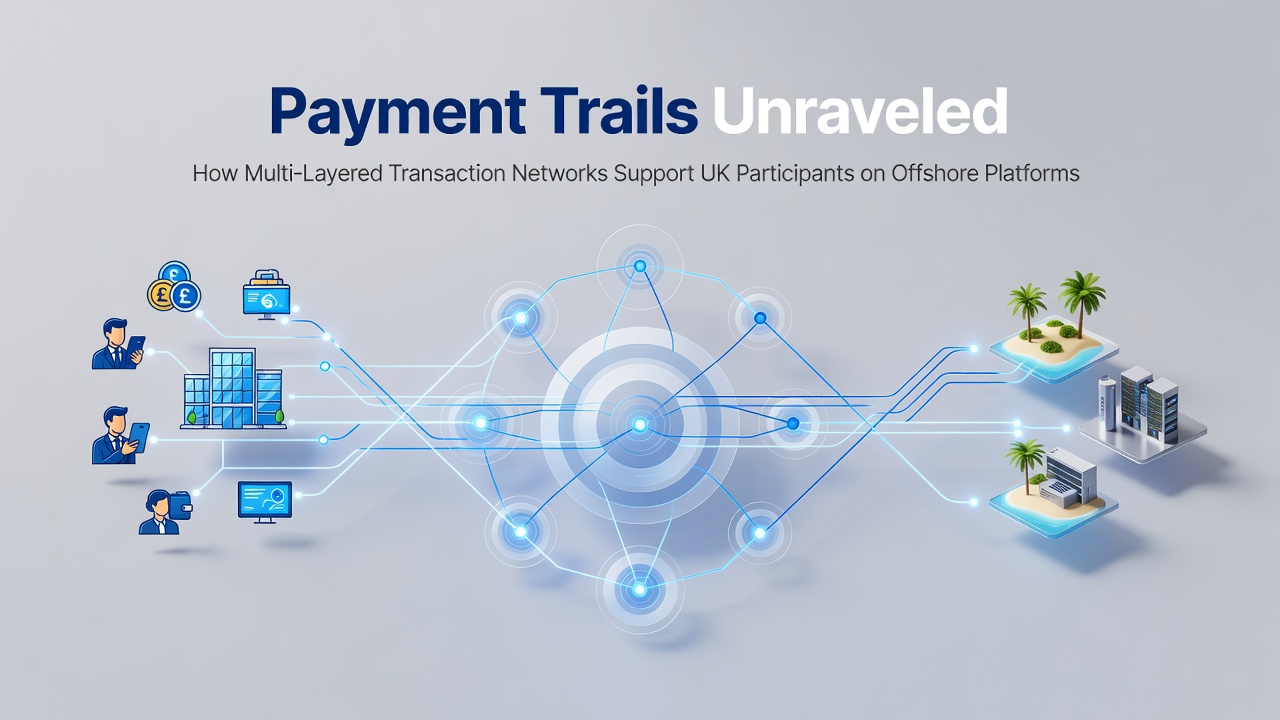
Payment Trails Unraveled: How Multi-Layered Transaction Networks Support UK Participants on Offshore Platforms
Observers note that transaction pathways supporting UK participants on offshore platforms often involve intricate networks of intermediaries, digital currencies, and regional processors that create separation between origin points and final destinations. Data from industry reports indicates these structures emerged to handle cross-border flows while navigating varying regulatory environments across jurisdictions, and researchers at the University of Nevada, Reno have documented similar patterns in global financial routing studies since the early 2020s. Multiple layers typically begin with user-initiated transfers through electronic wallets or cryptocurrency exchanges based outside the UK, after which funds pass through aggregator services or licensed payment institutions in regions such as Malta or the Isle of Man before reaching platform operators. This sequence reduces direct traceability because each intermediary applies its own compliance checks and routing protocols, according to analyses from the European Gaming and Betting Association.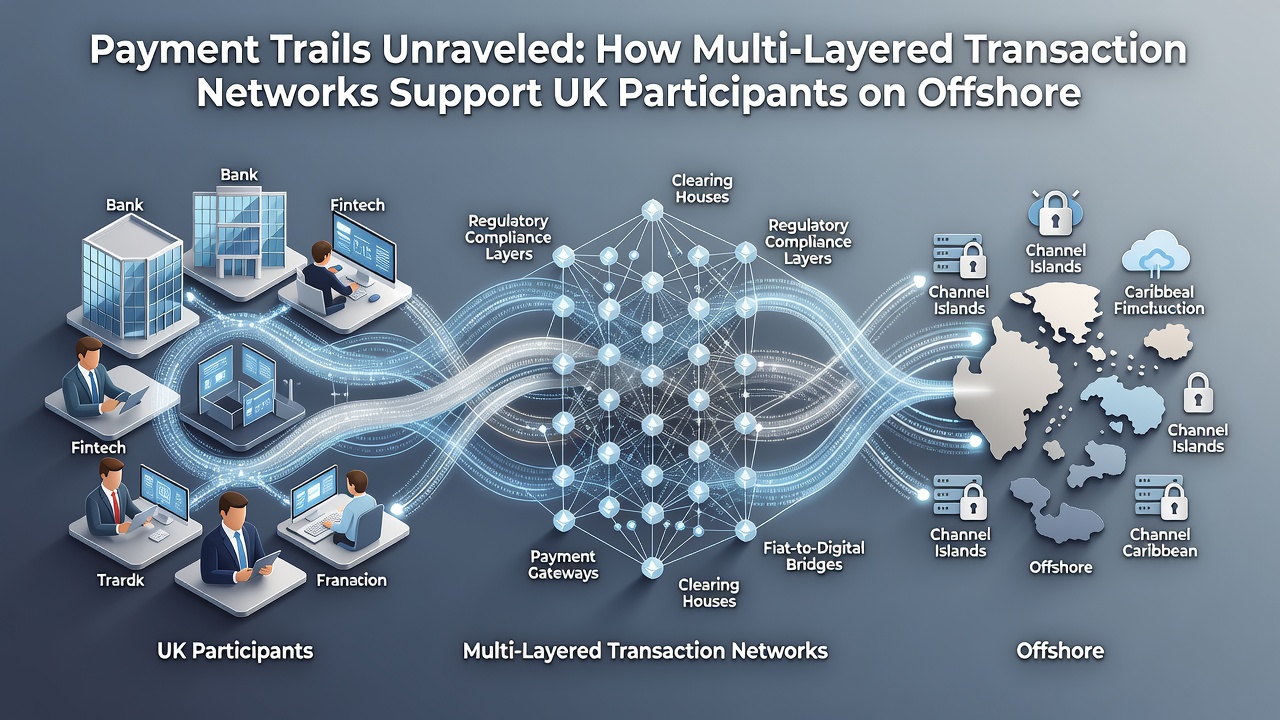
Observers note that transaction pathways supporting UK participants on offshore platforms often involve intricate networks of intermediaries, digital currencies, and regional processors that create separation between origin points and final destinations. Data from industry reports indicates these structures emerged to handle cross-border flows while navigating varying regulatory environments across jurisdictions, and researchers at the University of Nevada, Reno have documented similar patterns in global financial routing studies since the early 2020s. Multiple layers typically begin with user-initiated transfers through electronic wallets or cryptocurrency exchanges based outside the UK, after which funds pass through aggregator services or licensed payment institutions in regions such as Malta or the Isle of Man before reaching platform operators. This sequence reduces direct traceability because each intermediary applies its own compliance checks and routing protocols, according to analyses from the European Gaming and Betting Association.Core Components of Layered Networks
Payment processors form the initial segment where local banking rails connect to international gateways, and these entities often partner with cryptocurrency exchanges that convert fiat deposits into stablecoins or other digital assets for transit. Figures from transaction monitoring services reveal that stablecoin volumes supporting offshore activity grew steadily through 2025, with notable acceleration observed in the first half of 2026. By July 2026 several platforms reported increased adoption of privacy-focused tokens that obscure wallet addresses while still allowing settlement on public blockchains. Intermediary aggregators sit at the next level and consolidate payments from multiple sources before forwarding them onward, which creates additional separation between the UK participant's bank or card issuer and the offshore destination. Studies from the Canadian Gaming Association have highlighted how these aggregators maintain separate ledgers that complicate reconstruction of full trails without access to each entity's records, and similar findings appear in reports covering Asia-Pacific markets where parallel systems operate under distinct licensing regimes.Role of Digital Assets in Routing
Cryptocurrency integration adds another dimension because blockchain ledgers record transfers publicly yet wallet ownership remains pseudonymous unless exchanges enforce identity verification at entry or exit points. Platforms serving UK participants frequently route through mixers or tumblers operated in jurisdictions with lighter oversight, after which funds arrive via merchant accounts registered in Caribbean or Southeast Asian territories. Evidence suggests that this approach supports higher transaction speeds compared with traditional wire services, while the layered structure distributes compliance obligations across entities rather than concentrating them at one location. Those who track settlement data observe that July 2026 saw several offshore operators expand partnerships with non-custodial wallet providers, enabling participants to initiate transfers without passing through regulated exchanges at every step. Such developments build on earlier trends documented by academic researchers examining how digital asset flows interact with conventional banking channels.