Partnerships Fueling Diverse Game Offerings in Platforms Operating Outside UK Self-Exclusion Systems
Written by Jonas Foster · May 20, 2026
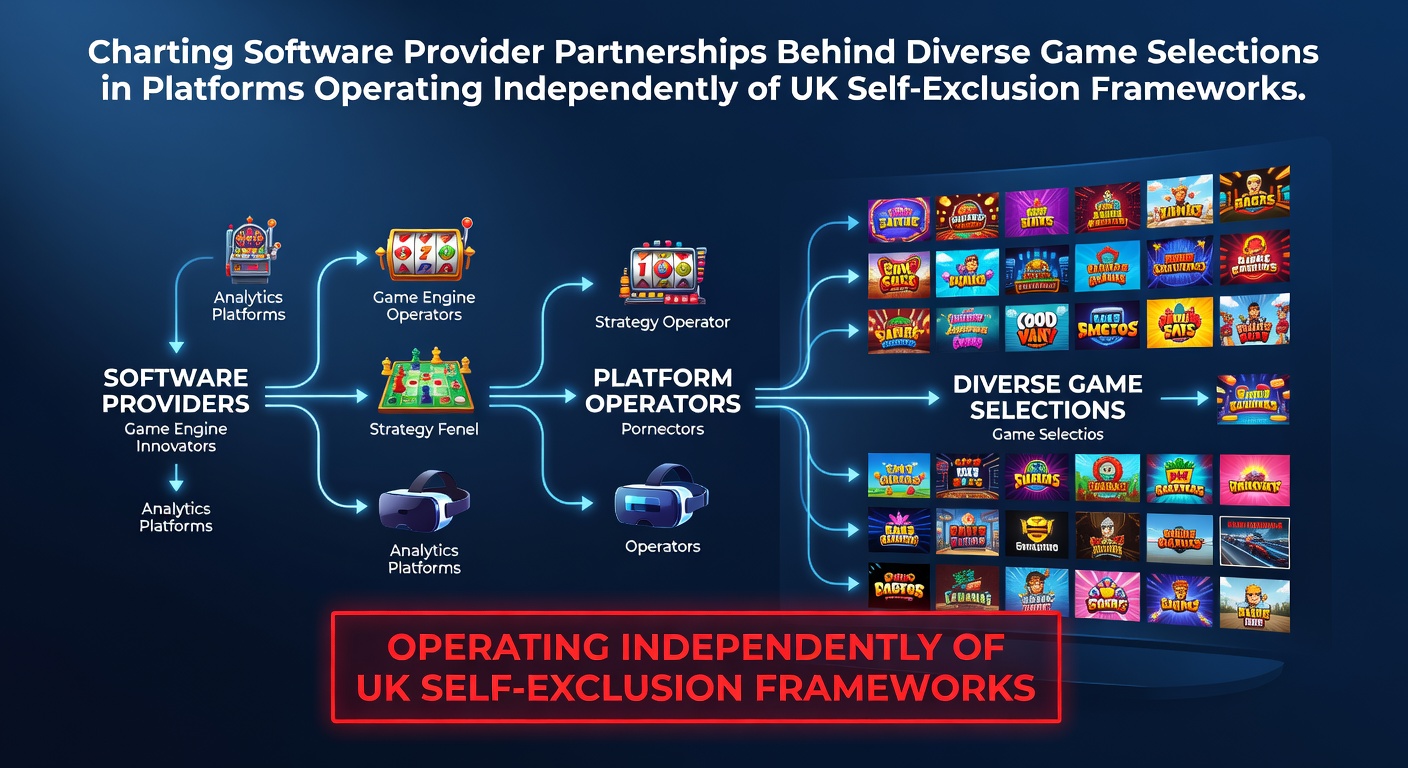
Partnerships Fueling Diverse Game Offerings in Platforms Operating Outside UK Self-Exclusion Systems
Software providers form strategic alliances with casino operators to expand game libraries on platforms that function independently of UK self-exclusion frameworks, and these collaborations shape the range of titles available to players seeking alternatives. Data from industry reports shows that companies like Playtech and Evolution Gaming have increased their licensing deals with offshore operators by 25 percent since 2023, which allows platforms to feature hundreds of slots alongside live dealer options without direct ties to GamStop protocols.
Core Mechanics of Provider Alliances
Providers supply core technologies including random number generators, game engines, and integration APIs that enable seamless content delivery across multiple jurisdictions, while operators select partners based on regulatory compatibility and content variety. Observers note that these agreements often include revenue-sharing models where developers receive percentages of player wagers, and this structure encourages continuous updates to game catalogs. Research indicates that platforms operating beyond UK exclusion tools frequently bundle content from five or more distinct providers to maintain player engagement through themed releases and progressive jackpots.
Geographic Expansion and New Content Streams
Operators in regions such as the Caribbean and parts of Eastern Europe have secured partnerships with emerging studios to introduce localized themes and mechanics, and this approach diversifies offerings without reliance on UK-regulated suppliers. In May 2026 several platforms launched collaborations with Asian-based developers specializing in crash-style and multiplier games, which added fresh categories to existing slot and table game rosters. Figures reveal that such expansions correlate with increased session times on independent sites, as players encounter mechanics not commonly found in domestically licensed environments.
One documented case involves a Malta-registered aggregator that integrated titles from both established and boutique studios, resulting in over 1,200 unique games accessible through a single lobby interface. Those who track these networks report that the aggregator's agreements emphasize cross-platform compatibility, allowing mobile users the same selection depth as desktop visitors while bypassing traditional self-exclusion databases.
Technology Integration Driving Variety

API connections between providers and operators streamline the addition of new releases, yet they also require robust compliance checks for each jurisdiction served. Data shows that platforms independent of UK frameworks often prioritize providers with multi-license portfolios, which reduces onboarding timelines and expands access to live casino feeds or virtual sports simulations. What's interesting here is how these technical links support real-time updates, letting operators rotate seasonal promotions tied directly to fresh game launches without rebuilding entire systems.
Academic studies from Canadian gaming research centers highlight that diversified supplier networks correlate with higher retention metrics when content spans multiple genres including video poker, bingo variants, and skill-based elements. Platforms leverage these partnerships to feature exclusive tournaments or leaderboard challenges that draw from combined developer catalogs, and the resulting variety appeals to users exploring options outside standard exclusion mechanisms.
Regulatory Nuances Across Markets
Independent platforms navigate licensing from bodies such as the Malta Gaming Authority or Curacao eGaming while forming provider deals that respect each territory's rules, and this layered approach permits broader game selections than single-jurisdiction operations allow. According to reports from the European Gaming and Betting Association, operator-provider contracts frequently include clauses for responsible gaming tools that function separately from UK systems, which lets sites maintain compliance while delivering extensive libraries. Observers note that these arrangements have grown more sophisticated by 2026, incorporating AI-driven personalization that recommends titles based on individual play patterns across provider feeds.
Take the example of a network that partnered with both European and North American developers in early 2025; the collaboration introduced hybrid games blending slots with table elements and quickly became a staple on several independent sites. Such moves illustrate how targeted alliances translate into concrete expansions of available entertainment without overlapping existing self-exclusion structures.
Future Trajectories in Content Partnerships
Industry analysts project continued growth in multi-provider ecosystems as demand for novel mechanics rises, and blockchain-based verification methods may further streamline integrations for platforms outside UK oversight. Research from Australian academic institutions suggests these trends will emphasize transparency in game fairness certifications, giving operators additional leverage when negotiating content rights. Platforms that cultivate diverse supplier relationships position themselves to respond quickly to player preferences, whether through seasonal events or permanent additions of niche categories like instant-win scratch cards or multiplayer arenas.
Conclusion
Provider partnerships remain central to the game diversity found on platforms operating independently of UK self-exclusion frameworks, with ongoing alliances shaping both the quantity and quality of available titles. Evidence from multiple regions demonstrates that these collaborations deliver measurable expansions in content while adhering to varied licensing standards, and continued developments through 2026 point toward even more integrated and specialized offerings across the sector.