Mapping Emerging Regulatory Zones Behind Varied Table Offerings for British Casino Enthusiasts in Worldwide Networks
Written by Jakob Frank · May 17, 2026

Mapping Emerging Regulatory Zones Behind Varied Table Offerings for British Casino Enthusiasts in Worldwide Networks
Lesser-known regulatory zones continue to shape table game selections available to British players who tap into international casino networks, and data from industry reports shows these areas provide licensing frameworks that support everything from classic blackjack variants to multi-player roulette formats. Observers note that jurisdictions outside major European oversight structures often introduce rule adjustments and live dealer integrations that expand choices, while British participants access these options through global platforms operating under multiple licenses simultaneously.
Research from the European Gaming and Betting Association indicates that smaller licensing bodies have issued permits to operators running extensive live table sections, and this activity has grown steadily into 2026 with new platform launches documented as recently as May of that year. Those who've examined the sector point out that British players frequently encounter baccarat tables with side bets or poker rooms featuring regional rule sets that differ from domestic offerings, and the connections between these zones form interconnected networks that route traffic across borders without interruption.
Key Jurisdictions Driving Table Diversity
Panama stands out among these zones because its gaming control board grants licenses that emphasize live dealer technology, and operators using these permits deliver blackjack tables with continuous shuffle machines alongside traditional hand-dealt versions for varied pacing. Data shows that several networks link Panamanian licenses to servers hosting British traffic, which allows players to switch between high-limit baccarat rooms and lower-stakes roulette wheels within the same session.
Another area gaining attention involves certain Philippine offshore zones regulated under PAGCOR extensions, where experts have documented the rollout of hybrid table experiences that combine video poker elements with live croupiers. British players exploring these networks often discover custom tournament structures for Caribbean stud variants, and figures reveal that participation in such events increased during the first quarter of 2026 as operators refined their cross-border connectivity.
Network Connections and Player Access Patterns
Global networks operate by pooling licenses from multiple smaller jurisdictions, which creates redundancy for table game delivery and reduces downtime during peak hours. According to industry analyses, these setups let British users move seamlessly between platforms while encountering fresh table configurations such as speed roulette or multi-hand blackjack that adapt to mobile interfaces without losing dealer interaction quality.
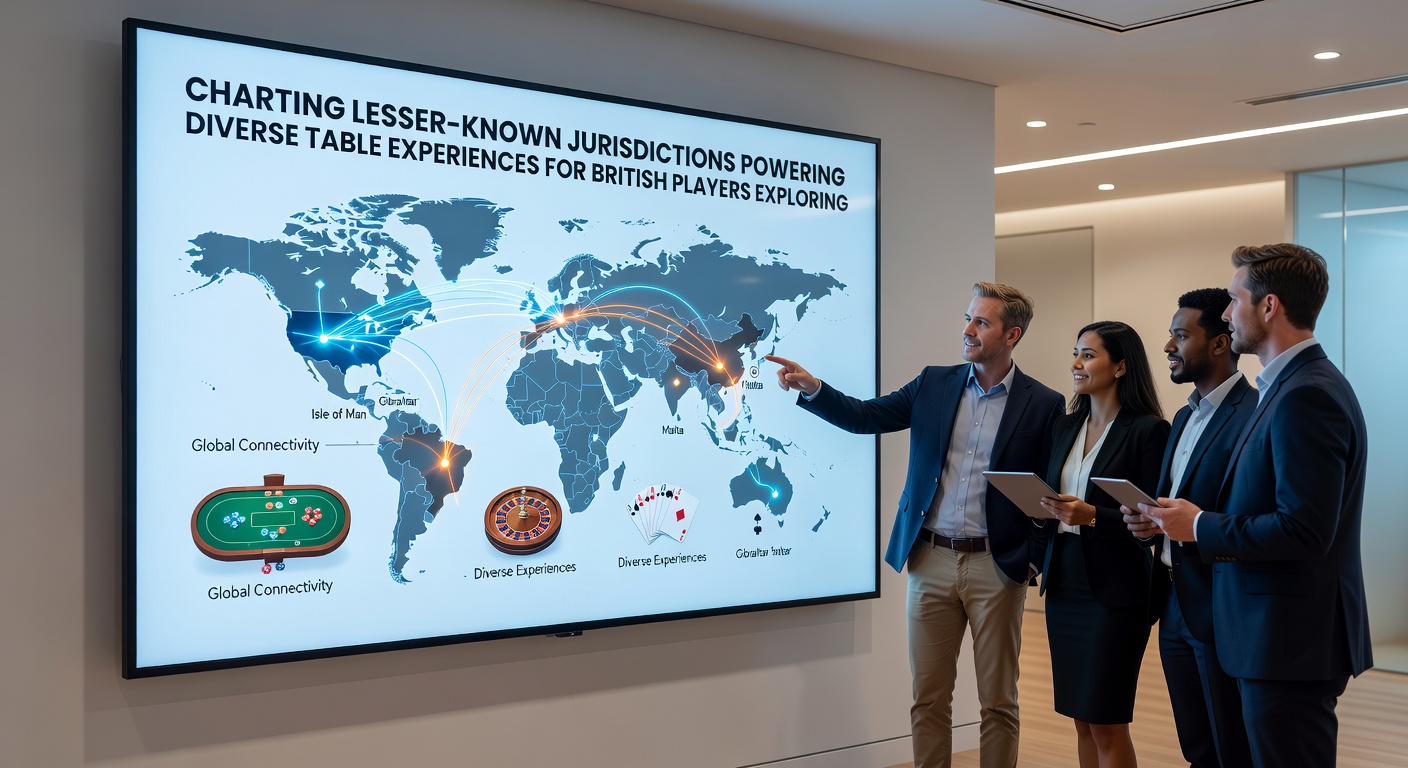
Turns out that connectivity relies on shared payment gateways and unified account systems, so players maintain progress across different licensed environments. Researchers tracking usage patterns have observed that table game sessions lasting over forty-five minutes often span at least two jurisdictions, which highlights how these networks maintain continuity through coordinated regulatory compliance.
Table Game Innovations Supported by These Zones
Blackjack variants with surrender options and side wager progressives appear more frequently under licenses from compact regulatory bodies in Central America, and data from operator reports shows these features attract British participants seeking strategic depth beyond standard play. Roulette offerings include French and American wheel configurations alongside lightning-speed versions that incorporate multiplier bonuses, all facilitated by the same licensing umbrella that covers live streaming infrastructure.
Poker rooms in these networks frequently feature mixed-game formats and sit-and-go tournaments timed for European evening hours, and those monitoring activity note that British players form consistent participant pools in these events. Evidence suggests that the underlying software providers integrate real-time translation tools and regional payment preferences to smooth access across the network layers.
Regulatory Oversight Trends in 2026
By May 2026 licensing bodies in these lesser-known zones had updated their compliance protocols to include enhanced player verification layers while preserving table game variety. Government agencies from regions such as Australia and Canada have released comparative studies on how such frameworks balance consumer protections with operational flexibility, and these documents highlight the role of third-party audits in maintaining network integrity for international users including those from the UK.
What's interesting is how these updates coincide with expanded live dealer capabilities that support higher table counts during peak periods, and operators report that British traffic contributes measurable volume to these sections without requiring separate regional adaptations.
Conclusion
Lesser-known jurisdictions continue to underpin diverse table experiences within global casino networks that reach British players, and ongoing developments in licensing and connectivity point to sustained variety in blackjack, roulette, and poker formats. Data from multiple regulatory and industry sources confirms that these zones maintain active roles in shaping access patterns as networks evolve through 2026 and beyond.