Ledger Lines: Immutable Blockchain Trails Supporting UK Players Exploring Unmonitored Platforms
Written by Paul Müller · Jul 10, 2026
Ledger Lines: Immutable Blockchain Trails Supporting UK Players Exploring Unmonitored Platforms
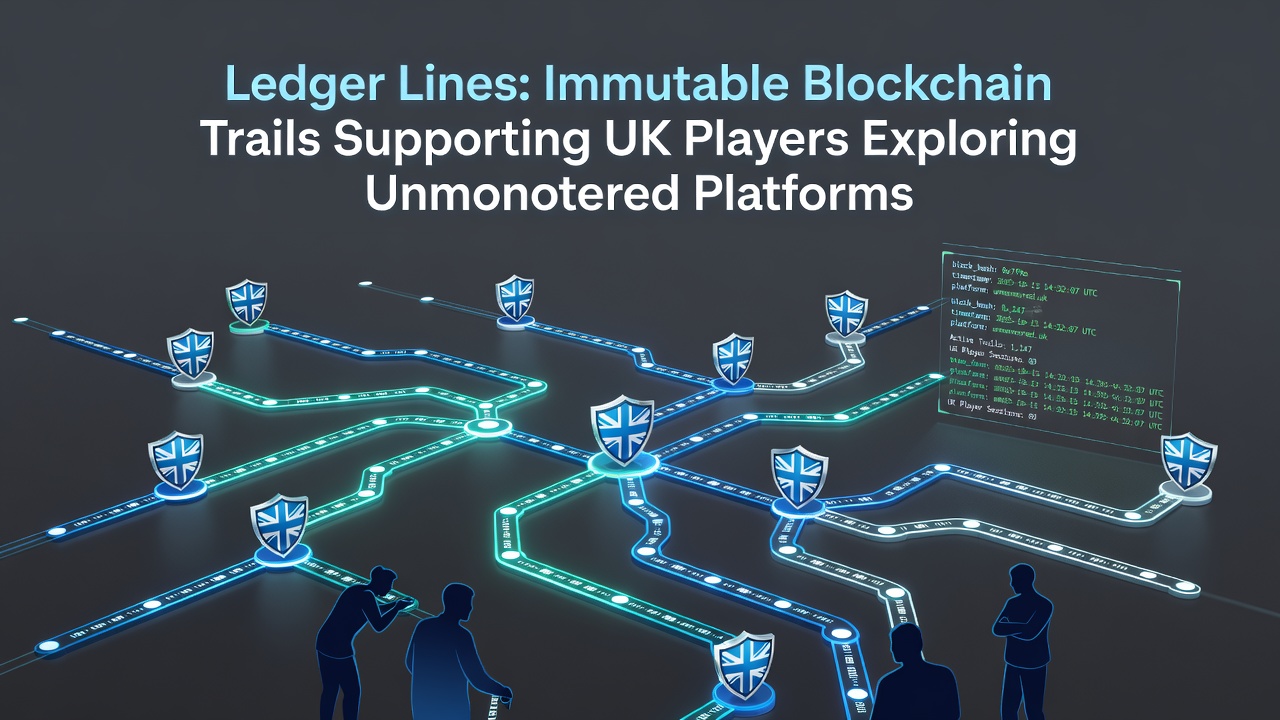
Blockchain technology creates permanent records through distributed ledger systems that log every transaction in sequence, and these ledger lines remain unchanged once confirmed across network nodes. UK players accessing platforms outside traditional monitoring structures often rely on cryptocurrency transfers, which generate these trails automatically during deposits, bets, and withdrawals. The process begins when a wallet initiates a transaction that gets timestamped and hashed into a block, then linked to previous entries through cryptographic references that prevent alterations without network consensus.
How Immutable Records Form During Platform Interactions
Each interaction on supported platforms produces entries that include wallet addresses, amounts, timestamps, and smart contract executions where applicable. Observers note that these details persist across thousands of nodes worldwide because the consensus mechanisms, such as proof-of-work or proof-of-stake, require majority agreement before any change can occur. Researchers discovered that attempts to modify a single record would demand control of over half the network's computing power, a threshold that grows exponentially as more participants join. Data from the Australian Transaction Reports and Analysis Centre indicates blockchain analytics tools processed over 1.2 billion cryptocurrency transactions in the 2025 fiscal year alone, revealing patterns in high-volume sectors including digital entertainment services.
Traceability Features Available to Participants
Players receive transaction hashes immediately after confirmation, and these identifiers allow independent verification through public explorers without requiring platform cooperation. The hash serves as a unique key that retrieves the full block data, including sender and receiver details along with any associated metadata from the gaming smart contract. Those who've studied this process know that wallet clustering techniques can map related addresses even when users attempt to obscure flows through mixers or multiple hops, although success rates vary by coin type and privacy features employed. In July 2026 several major networks introduced enhanced timestamp granularity that reduced confirmation variance to under two seconds on average, strengthening the precision of these trails for all participants.
Network-Level Security and Verification Mechanisms
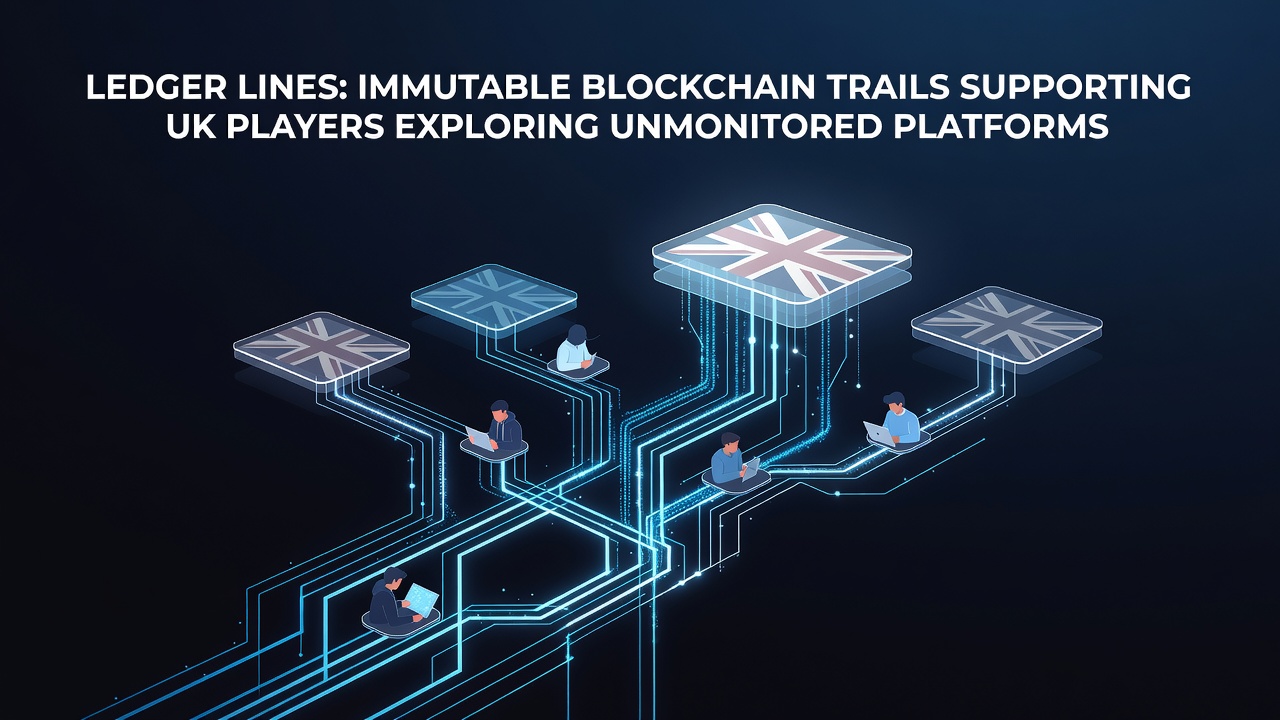
Consensus protocols enforce the immutability that underpins these trails because every node maintains a complete copy of the chain and rejects blocks that violate established rules. Analysts at the Financial Industry Regulatory Authority have documented cases where forensic reconstruction of gambling-related transfers succeeded months after the original activity because the original data remained accessible through archival nodes. Smart contracts add another layer by encoding payout rules directly into executable code that runs automatically once conditions are met, leaving an auditable record of each step without human intermediaries. Evidence suggests multi-signature requirements on withdrawal contracts further distribute control, requiring several parties to authorize larger movements and thereby creating additional checkpoints in the ledger history.
Integration with External Analytics Platforms
Third-party services aggregate public blockchain data and apply machine learning models to identify clusters of addresses associated with particular platforms or user behaviors. These tools operate on open information because every transaction since genesis remains queryable, allowing pattern recognition across thousands of blocks in seconds. One study revealed that clustering accuracy exceeded 85 percent for major proof-of-work chains when sufficient known addresses were available for training. Participants often discover that exporting their own transaction history provides a personal audit trail that matches the public record exactly, enabling cross-verification against platform statements when discrepancies arise.
Regulatory and Compliance Implications Across Jurisdictions
Authorities in multiple regions now incorporate blockchain analytics into existing oversight frameworks because the data provides verifiable transaction volumes without direct access to private servers. The European Securities and Markets Authority published guidelines in early 2026 that encouraged licensed operators to maintain on-chain transparency logs for customer fund movements, while similar approaches appear in Canadian provincial frameworks. Observers note that unmonitored platforms still generate the same immutable records, yet operators may choose not to implement additional KYC layers that would link wallet addresses to real-world identities. This separation leaves the technical trail intact while limiting teh ease of connecting it to specific individuals unless supplementary data becomes available through other channels.
Future Developments in Ledger Accessibility
Protocol upgrades scheduled through 2027 aim to improve query efficiency and reduce storage costs for archival nodes, which could expand the practical reach of historical analysis tools. Zero-knowledge proofs represent one emerging approach that allows verification of transaction validity without exposing full details, although adoption in entertainment platforms remains limited at present. Those monitoring adoption trends report that layer-two scaling solutions preserve the underlying immutability while handling higher throughput, thereby accommodating increased volumes without sacrificing the core properties that make ledger lines reliable. Players exploring these environments continue to generate permanent records with each interaction, and the cryptographic structure ensures those records withstand attempts at retroactive modification regardless of platform status.
Conclusion
The combination of timestamped blocks, cryptographic linking, and distributed consensus produces trails that function independently of any single operator or jurisdiction. UK participants engaging with platforms beyond conventional oversight still contribute to and benefit from these permanent records during routine activity. Analytics capabilities built on public data continue to advance alongside network improvements, maintaining the fundamental property that once confirmed, entries resist alteration. This technical foundation supports verification processes even when direct monitoring channels remain unavailable, and ongoing protocol enhancements suggest the reliability of such trails will persist through subsequent network iterations.