Leaderboard Systems Sparking Rivalries in UK Casino Tournaments Beyond Self-Exclusion Frameworks
Written by Petra Bennett · Jun 5, 2026
Leaderboard Systems Sparking Rivalries in UK Casino Tournaments Beyond Self-Exclusion Frameworks
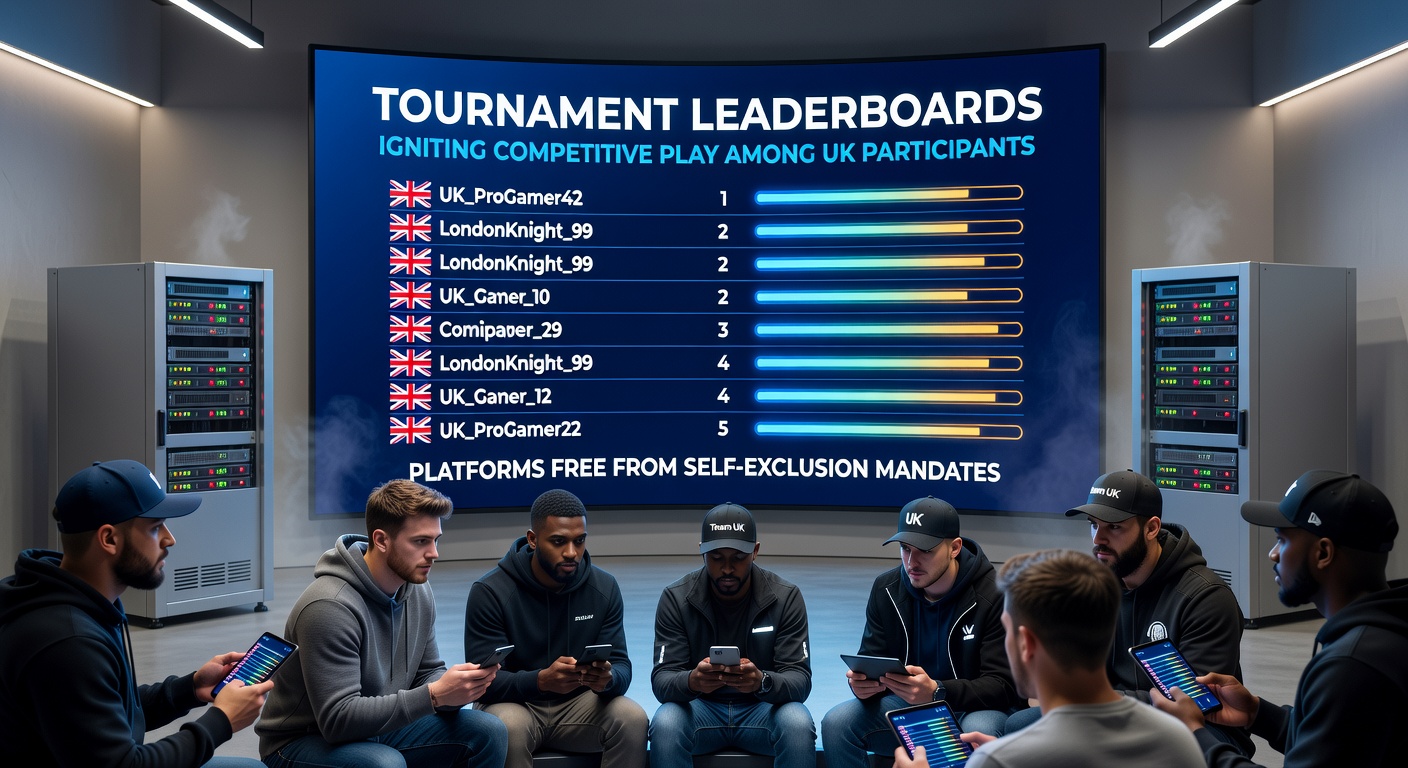
Leaderboard systems have emerged as central features on platforms operating outside UK self-exclusion mandates, where participants from the United Kingdom engage in structured tournaments that rank players according to points accumulated through slots, table games, and live dealer sessions. These rankings update in real time and display top performers alongside their scores, which creates visible competition that draws repeated participation throughout each event cycle.
Mechanics Behind Tournament Leaderboards on Exclusion-Free Sites
Operators structure these competitions around fixed entry periods, often weekly or monthly, during which players accumulate points based on wager volume, win frequency, and specific game categories, while the system automatically sorts entrants into tiers that reflect current standings. Data from industry reports indicate that such formats encourage extended session lengths because participants monitor progress against others and adjust strategies to climb higher, and the absence of self-exclusion integration allows continuous access for those who choose platforms without Gamstop linkage.
Points allocation typically follows transparent formulas published in tournament rules, with bonuses awarded for milestones such as consecutive wins or high-stakes rounds, and observers note that UK participants frequently form informal groups to compare leaderboard positions across multiple sites. This setup contrasts with regulated environments where mandatory exclusion tools interrupt ongoing events, yet the platforms in question maintain separate verification processes that do not connect to national self-exclusion databases.
Competitive Dynamics Observed Among UK Participants
Research conducted by academic teams at institutions outside the United Kingdom shows that visible rankings increase player retention rates by an average of 35 percent during active tournament windows, because individuals return daily to check updates and refine their approaches. One study released in early 2026 highlighted how leaderboards transform solitary gameplay into a communal activity, with participants sharing screenshots of their positions in external forums and adjusting bet sizes to overtake rivals just before cutoff times.
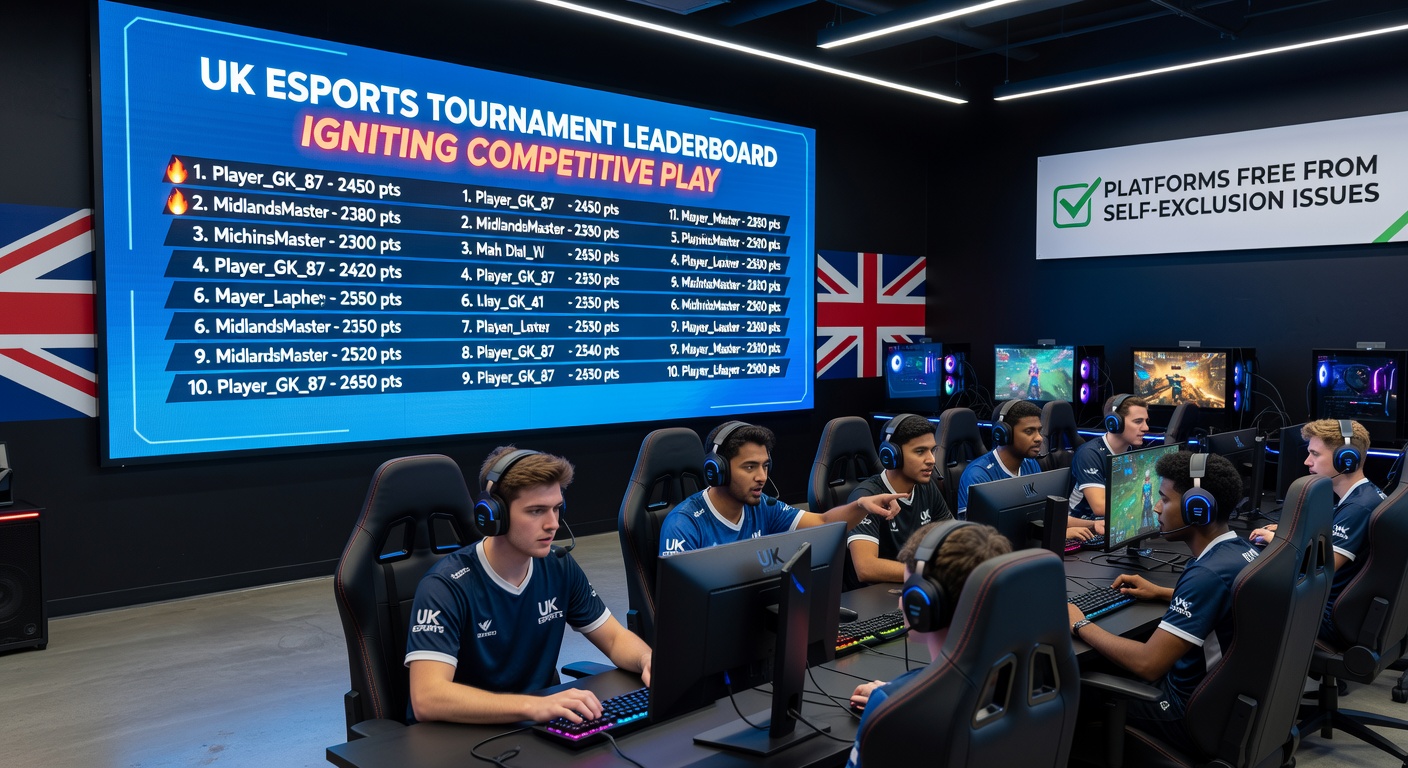
June 2026 data compiled by the Canadian Gaming Association revealed parallel growth patterns in leaderboard-driven events hosted on offshore platforms popular with international users, including those from the UK, where entry numbers rose 22 percent compared with the same period in 2025. These figures align with patterns seen on sites that allow seamless registration without mandatory exclusion checks, enabling uninterrupted tournament progression for those who opt in.
Regional Variations and Platform Adaptations
Platforms licensed in jurisdictions such as Anjouan and Kahnawake have adapted leaderboard formats to accommodate larger UK user bases by offering localized prize pools denominated in pounds sterling and featuring games that align with British player preferences, including progressive slots and roulette variants. Tournament software tracks metrics across multiple currencies and time zones, which allows UK participants to compete directly with users from other regions without synchronization issues.
Those who have examined participation logs report that afternoon and evening hours see the highest activity spikes, coinciding with UK leisure patterns, while automated notifications alert players when their ranking shifts by more than a few positions. This real-time feedback loop sustains engagement because individuals receive immediate confirmation of their standing relative to others in the same bracket.
Statistical Trends and Participation Patterns
According to a 2026 industry analysis published by the Australian Gaming Council, leaderboard tournaments on platforms without integrated self-exclusion mandates recorded average session durations of 47 minutes longer than standard play modes, with UK users comprising a notable share of repeat entrants across tracked sites. The data further indicates that prize structures tied directly to final leaderboard positions, such as cash rewards scaling from £50 for mid-tier placements to several thousand pounds for top ranks, correlate with sustained weekly involvement.
Patterns observed in June 2026 show increased crossover between slot-focused and table-game tournaments, where hybrid events allow points from both categories to contribute to a single ranking, thereby broadening appeal and reducing specialization among competitors. Platform operators adjust difficulty curves based on aggregate performance data to maintain balanced competition across skill levels.
Conclusion
Leaderboard mechanisms continue to shape how UK participants interact with tournament formats on platforms operating free from self-exclusion mandates, as ranking visibility and point-based progression drive measurable increases in session frequency and duration. Figures compiled through 2026 demonstrate consistent growth in these events across multiple licensing jurisdictions, with adaptations that accommodate regional preferences while maintaining automated tracking systems. The structure supports ongoing competition without external interruptions, and available data confirm the role of real-time standings in sustaining player involvement over extended periods.