Island Licensing Dynamics: Shaping Reward Programs in Niche Casino Jurisdictions for International Players
Written by Jonas Foster · Aug 2, 2026
Island Licensing Dynamics: Shaping Reward Programs in Niche Casino Jurisdictions for International Players
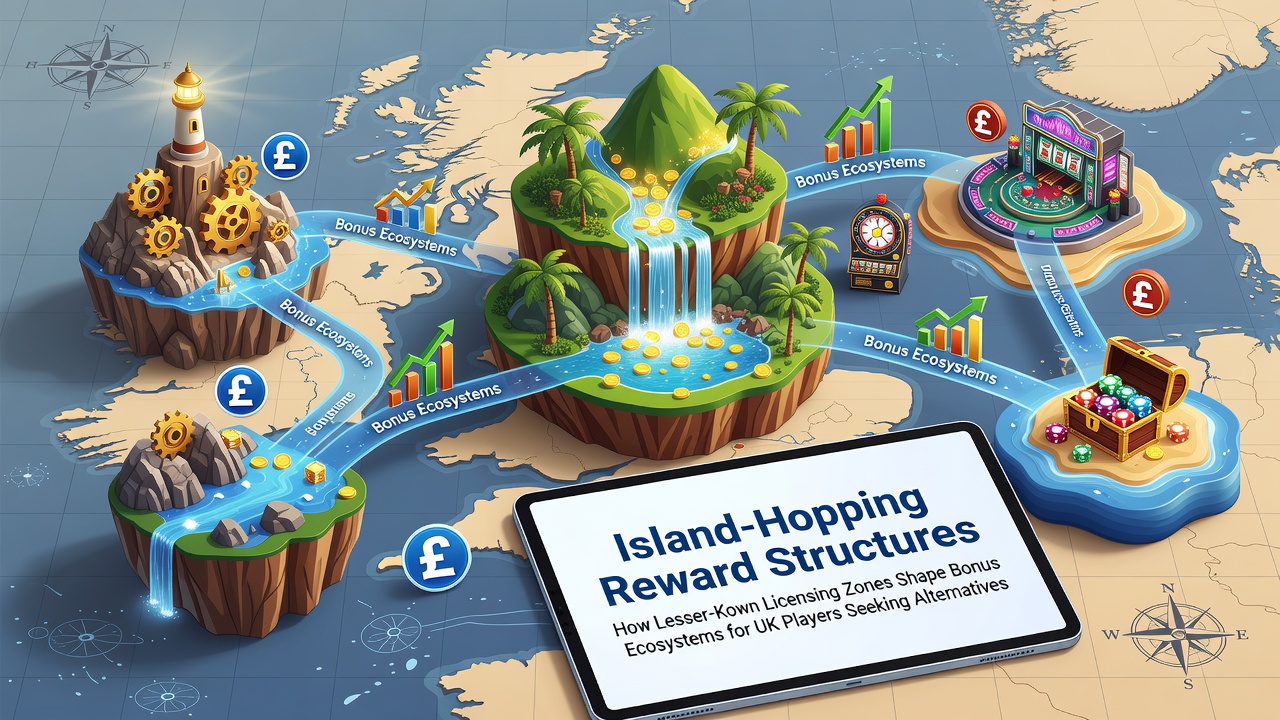
Lesser-known licensing zones scattered across remote islands have developed distinct regulatory frameworks that directly influence the types of bonus structures available on platforms serving UK players who explore options outside standard self-exclusion systems, and these frameworks often permit more flexible promotional terms because oversight focuses on different priorities than those found in heavily regulated markets.
Regulatory Foundations in Remote Jurisdictions
Operators based in jurisdictions such as those in the Indian Ocean and Caribbean regions receive licenses that impose fewer caps on bonus percentages and wagering multipliers, which allows platforms to advertise higher value welcome packages and recurring promotions while still meeting local compliance standards, and data from the New Jersey Division of Gaming Enforcement shows how varying regulatory approaches across borders create measurable differences in player offer diversity.
These zones issue permits that emphasize financial reporting and anti-money laundering checks rather than strict bonus duration limits, so reward programs can extend over longer periods without mandatory caps, and players notice that deposit match offers sometimes reach higher percentages because the licensing body does not enforce the same percentage restrictions seen elsewhere.
Bonus Ecosystem Variations Across Island Licenses
Platforms licensed in these territories frequently structure cashback schemes and loyalty tiers around weekly or monthly cycles that align with local tax reporting requirements, which creates predictable return patterns for participants who maintain consistent activity levels, and observers note that free spin allocations tied to specific game categories appear more frequently under these licenses because the rules do not restrict promotional game selections as tightly.
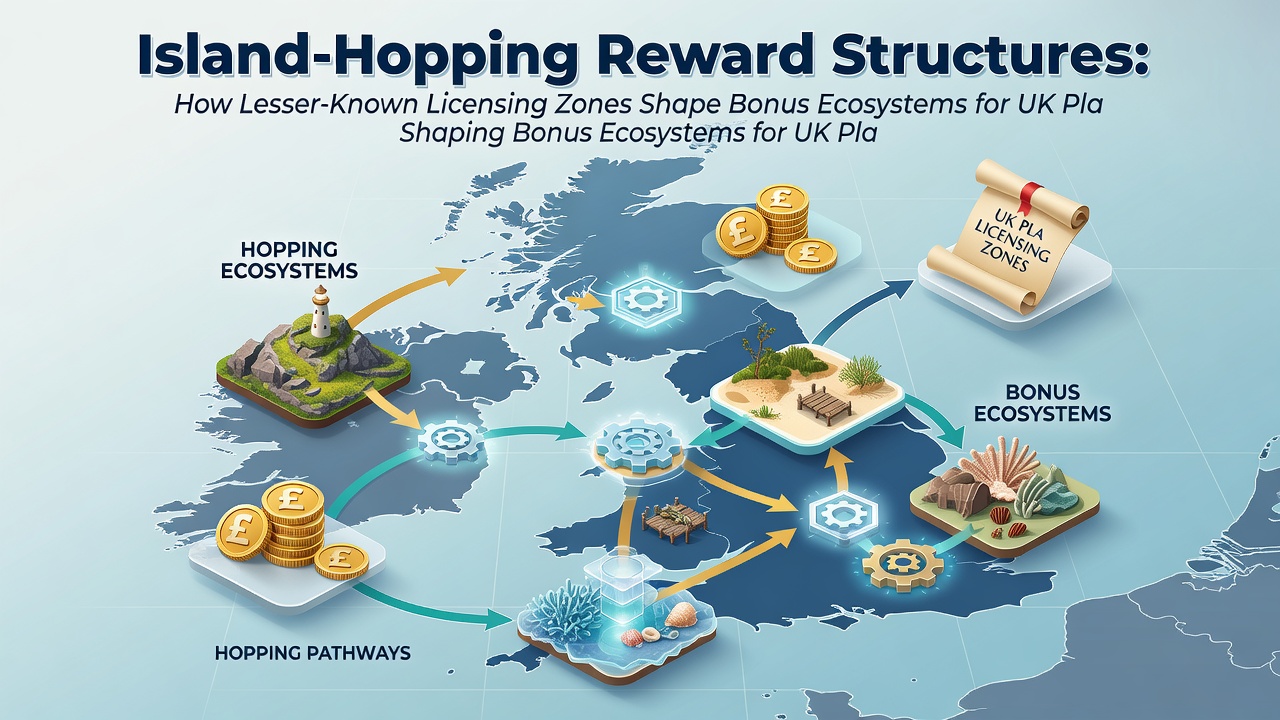
One study from the Australian Institute of Criminology examined how licensing location correlates with promotional volume, revealing that operators in smaller island jurisdictions issue bonus credits at higher average values per active account when compared with larger regulatory markets, and this pattern holds because the approval process for new promotions moves faster without extensive pre-launch reviews.
Seasonal leaderboard competitions and slot tournament prize pools also expand under these frameworks since local rules permit larger prize allocations funded directly from operator revenue rather than requiring separate player contribution pools, and figures from industry reports indicate that participation rates in such events rise when entry barriers remain low due to minimal verification steps built into the license terms.
Player Access Patterns and Reward Delivery
UK players who register through platforms operating under these island licenses encounter deposit bonus structures that activate immediately upon first transaction, and the absence of lengthy cooling-off periods stems from the licensing emphasis on transaction speed rather than extended review windows, while withdrawal conditions attached to bonuses follow schedules set by the island authority that often allow faster access to winnings once playthrough thresholds are met.
Multi-tiered VIP programs in these environments accumulate points across a broader range of game types because the license does not mandate game category exclusions for reward eligibility, and this flexibility results in more balanced earning rates for table game users alongside slot players, according to aggregated transaction data reviewed in academic papers on cross-border gambling operations.
Developments Observed Through Mid-2026
By August 2026 several island licensing bodies had updated their guidelines to require clearer display of bonus terms on operator sites, yet the core flexibility around percentage values and duration remained intact, which preserved the competitive edge these zones hold for reward variety, and operators responded by expanding hybrid promotions that combine deposit matches with cashback elements without triggering additional local approvals.
Those who track regulatory filings report that the number of active licenses in these zones increased during the first half of 2026, correlating with expanded promotional calendars that include targeted reload bonuses timed to local holidays and international sporting events, and this growth reflects the stable environment these jurisdictions provide for operators seeking to differentiate their reward ecosystems.
Conclusion
Island licensing zones continue to shape bonus ecosystems through regulatory choices that prioritize operational efficiency and financial transparency over prescriptive promotional limits, and the resulting structures offer UK players a range of reward formats that differ in scale and delivery timing from those found under stricter oversight models, with ongoing adjustments in 2026 maintaining the distinct characteristics that define these alternatives.