Global Platforms Strengthen Protections for UK Players Seeking Options Beyond Domestic Self-Exclusion
Written by Petra Bennett · Jul 26, 2026
Global Platforms Strengthen Protections for UK Players Seeking Options Beyond Domestic Self-Exclusion
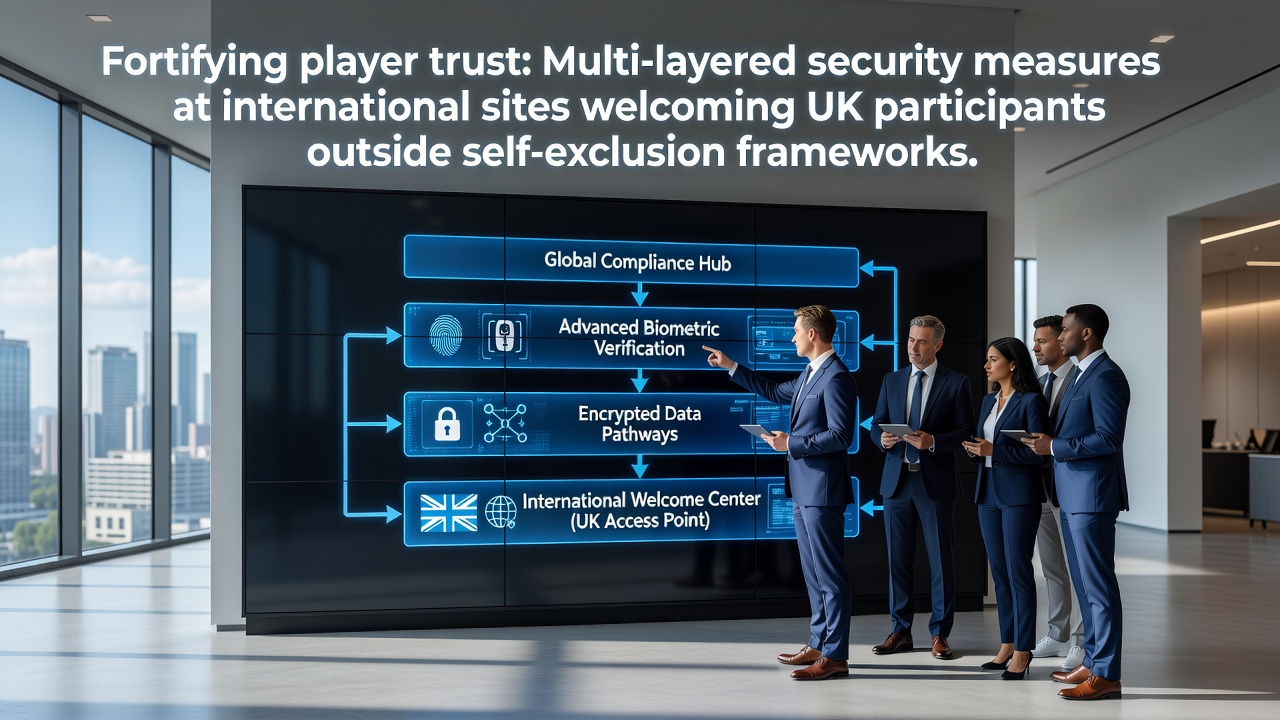
International gaming platforms that accept UK participants outside self-exclusion systems have rolled out extensive security layers, and these measures combine technical safeguards with regulatory oversight to address data integrity and account safety, according to industry reports from mid-2026. Operators integrate encryption protocols, multi-factor verification systems, and third-party audits while maintaining operations in jurisdictions that permit cross-border participation, and data from July 2026 shows increased adoption of real-time monitoring tools across these sites.
Core Technical Defenses in Place
Advanced encryption standards protect transaction details and personal information during transfers, while SSL certificates and TLS 1.3 protocols secure connections between users and servers. Researchers at the International Gaming Standards Association note that platforms apply these technologies uniformly to prevent interception, and regular penetration testing identifies vulnerabilities before they escalate into larger issues. Payment gateways undergo PCI DSS compliance checks that verify card data handling meets global benchmarks, which reduces exposure risks during deposits and withdrawals.
Verification and Access Controls
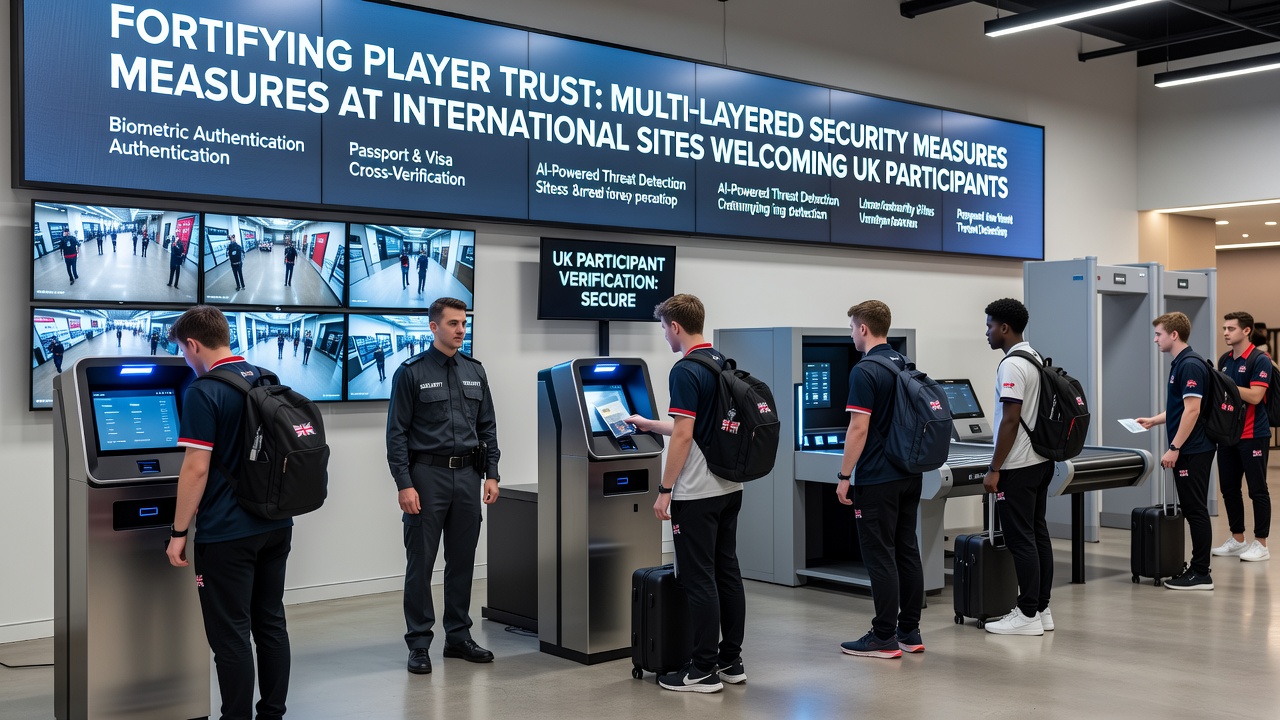
Multi-factor authentication requires users to combine passwords with one-time codes sent via email or authenticator apps, and biometric options such as fingerprint or facial recognition appear on mobile interfaces. Observers note that these steps limit unauthorized entry even when credentials become compromised elsewhere, and account activity logs trigger alerts for unusual patterns like rapid login attempts from new locations. In July 2026 several platforms introduced behavioral analytics that flag deviations from established play habits, allowing operators to pause sessions pending further confirmation.
Independent Audits and Compliance Checks
Third-party firms conduct monthly reviews of random number generators, financial reporting, and dispute resolution processes, while annual certifications from bodies like eCOGRA and iTech Labs confirm adherence to fairness standards. Those who study regulatory frameworks observe that offshore licenses from authorities in Malta and the Isle of Man impose additional reporting requirements that extend beyond basic licensing, and these audits become publicly available for participant review. Data indicates that platforms maintaining such certifications experience fewer reported security incidents compared with uncertified alternatives.
Real-Time Monitoring and Incident Response
Continuous surveillance systems track gameplay and financial movements, and automated protocols isolate suspicious activity within seconds of detection. Experts from the PCI Security Standards Council highlight how integrated dashboards allow security teams to coordinate responses across time zones, and post-incident reports detail remediation steps taken to restore normal operations. Platforms also maintain insurance policies that cover potential losses from breaches, which provides an additional recovery layer for affected participants.
Emerging Practices in July 2026
Updates implemented during July 2026 include expanded use of quantum-resistant encryption algorithms in pilot programs, and several operators began testing decentralized ledger technologies for transaction transparency without compromising user anonymity. Research from academic centers in Australia indicates these innovations address long-term threats from evolving computational capabilities, while maintaining compatibility with existing user interfaces. Training programs for staff now incorporate scenario-based simulations that prepare teams for coordinated social engineering attempts.
Conclusion
These combined approaches demonstrate how international sites maintain operational resilience while serving UK participants outside self-exclusion frameworks, and ongoing refinements reflect responses to both technological advances and participant expectations. Figures reveal steady investment in security infrastructure across the sector, and continued collaboration between operators and certification bodies supports consistent application of protective measures.