Global Casino Loyalty Programs: How Tracking Functions for UK Players on Non-Domestic Platforms
Written by Jakob Frank · Aug 7, 2026
Global Casino Loyalty Programs: How Tracking Functions for UK Players on Non-Domestic Platforms
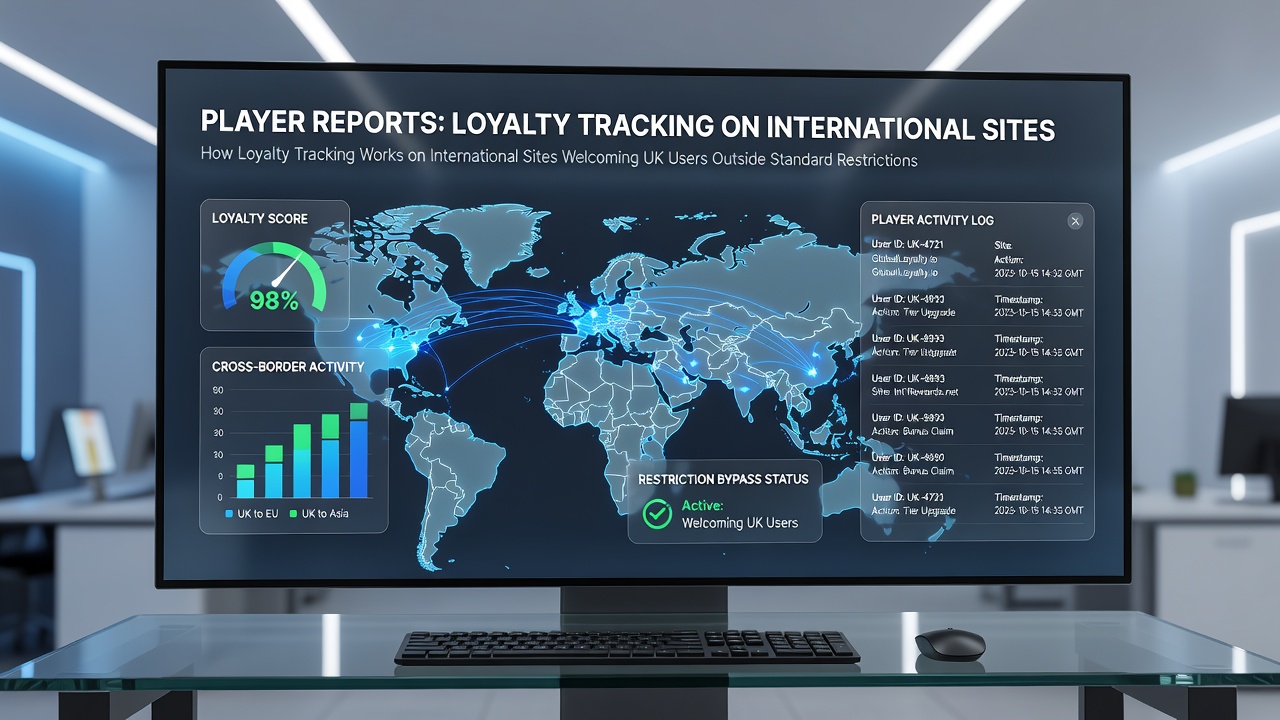
Player reports from 2025 and into August 2026 continue to detail the operational mechanics behind loyalty tracking systems on international gaming sites that accept UK participants. These platforms operate under licenses from jurisdictions such as Anjouan and Curacao, where data collection focuses on account-linked activity rather than domestic self-exclusion databases.Core Tracking Infrastructure
International sites maintain loyalty programs through centralized player accounts that record every wager, deposit, and session duration, and they assign unique identifiers at registration. Data flows from game servers directly into backend databases, where algorithms calculate points based on predetermined formulas tied to bet volume and game type. Reports from participants indicate that tracking persists across devices because the system relies on login credentials and IP logging rather than browser cookies alone.
Point Calculation and Tier Progression
Points accrue at rates that vary by game category, with slots often contributing one point per pound sterling wagered while table games contribute at lower ratios. Tier advancement occurs automatically once cumulative points reach thresholds set by each operator, unlocking benefits such as cashback percentages and personalized bonus offers. Observers note that the process runs continuously, updating in real time during active sessions and finalizing at midnight server time.
Cross-Site Data Sharing Patterns
Some networks operate shared loyalty frameworks where multiple sites exchange activity records under common ownership structures. UK users who migrate between platforms within the same network report that their point balances transfer without manual intervention, and historical play data remains attached to the original account ID. This setup differs from standalone operators that reset progress upon site changes.

Verification and Compliance Layers
Although these sites bypass standard UK self-exclusion tools, they still require account verification for withdrawal processing. Loyalty tracking continues independently of verification status, yet reward redemption often waits until identity documents clear review. Data from player forums shows that unverified accounts accumulate points normally but encounter restrictions when attempting to claim higher-tier benefits.
August 2026 Industry Adjustments
Reports compiled through mid-2026 highlight modifications to point expiration policies on several Curacao-licensed platforms. Systems now flag inactive accounts after 90 days without deposits, and points begin to decay at a rate of 10 percent monthly thereafter. Industry organizations such as the European Gaming and Betting Association have published summaries noting these changes align with broader efforts to standardize player retention metrics across licensed entities.
Player-Reported Edge Cases
Accounts created with VPN connections sometimes trigger additional monitoring flags that slow point posting by 24 to 48 hours. Multiple users describe situations where simultaneous play on mirrored sites within one network resulted in duplicated point entries that operators later reconciled through manual audits. These instances remain isolated yet illustrate how tracking systems handle overlapping sessions.
Research and Data Sources
Academic reviews from institutions including the University of Nevada Reno Gaming Research Center have examined loyalty database architectures employed by offshore operators, and findings indicate heavy reliance on relational databases that link transaction logs to demographic fields. Canadian regulatory summaries from the Alcohol and Gaming Commission of Ontario similarly reference comparable tracking methodologies used by platforms serving international markets.
Conclusion
Player reports collectively demonstrate that loyalty tracking on these international platforms rests on persistent account-level data collection, automated point formulas, and tier-based reward delivery. The mechanisms operate continuously regardless of player location signals, while incorporating periodic policy adjustments such as those documented in August 2026. External analyses from academic and regional regulatory bodies continue to supply context on the technical frameworks supporting these systems.