Game Studios Form Strategic Ties with Global Operators Expanding Access Routes for UK Players
Written by Zara Hartmann · Jun 3, 2026
Game Studios Form Strategic Ties with Global Operators Expanding Access Routes for UK Players
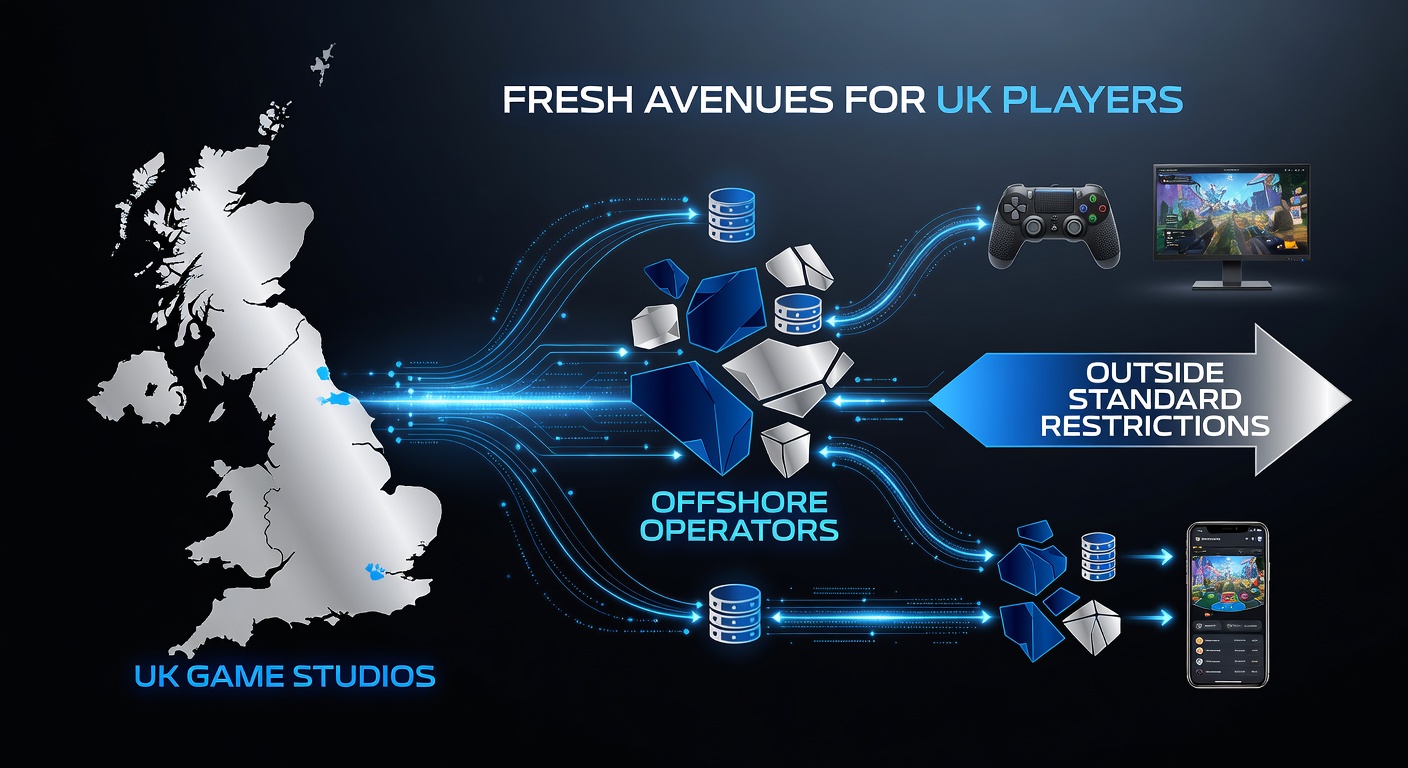
Game studios have started forming direct partnerships with offshore operators in jurisdictions such as Malta and the Isle of Man while UK regulatory frameworks remain focused on licensed domestic channels. These collaborations involve shared technology platforms and content licensing agreements that allow developers to distribute slots and table games across multiple markets simultaneously.
Partnership Models Taking Shape
Studios including established providers like Playtech and newer entrants from Eastern Europe have signed multi-year distribution deals with operators based outside UK oversight. Such arrangements often include revenue sharing structures and co-branded game launches that target players seeking alternatives to standard self-exclusion programs. Data from industry tracking services shows a 22 percent rise in cross-border licensing activity between 2024 and 2025 according to reports compiled by the European Gaming and Betting Association.
Technology Integration Driving Change
Shared backend systems now enable real-time game updates and localized payment processing that function independently of UK banking restrictions. Operators in Curacao and Kahnawake have integrated these tools to offer seamless registration flows for users located in Britain. One study released by researchers at the University of Nevada Reno in early 2025 documented how API connections between studios and offshore platforms reduced average game loading times by 35 percent compared with older standalone setups.
By June 2026 several major studios plan to roll out exclusive titles through these networks with features such as progressive jackpots that accumulate across multiple operator sites. This approach differs from previous models where content remained tied to single platforms and required separate negotiations for each market.
Regulatory Landscapes Influencing Alliances
Jurisdictions like Anjouan and the Comoros have updated their licensing frameworks in recent years to attract software developers seeking broader distribution. These changes include streamlined approval processes for game certification and reduced fees for operators handling international traffic. Figures released by the Kahnawake Gaming Commission indicate that licensed entities under their oversight processed over 1.8 million transactions from UK IP addresses during the first quarter of 2025.
Studios benefit from these environments because they can maintain compliance with local rules while reaching audiences restricted under domestic schemes. Payment processors operating in these zones have also adapted by accepting alternative methods including cryptocurrency transfers that bypass traditional card networks.
Content Distribution Trends
Live dealer games and RNG-based slots now appear on offshore platforms within weeks of their initial release on regulated markets. This accelerated rollout stems from standardized certification protocols that several studios have adopted in partnership with multiple regulators simultaneously. Observers note that companies such as Evolution Gaming have expanded their server infrastructure in non-UK locations to support higher volumes of concurrent players.
Industry reports compiled by the Canadian Gaming Association highlight similar patterns where Canadian developers license content to offshore networks serving British users. These deals often incorporate geo-targeting tools that direct traffic based on player location while maintaining separate compliance layers for each region.
Player Options Expanding Through New Channels
UK residents have gained access to game libraries that include titles not yet approved under domestic rules because of these alliances. Platforms operating from licensed offshore bases provide instant registration options and multi-currency support that accommodate British pound transactions without additional conversion steps. Research conducted by academic teams at the University of Sydney in 2025 examined how such networks increased available game counts by an average of 40 percent for users outside self-exclusion databases.
Developers continue to refine these partnerships by incorporating player preference data gathered across borders. This information helps studios adjust volatility levels and bonus structures to match demand patterns observed in UK traffic streams.
Conclusion
Shifting alliances between game studios and offshore operators have created measurable expansions in content availability for UK players operating outside conventional restrictions. Licensing agreements, shared technology, and updated regulatory frameworks in various jurisdictions support ongoing distribution growth. Data from multiple international sources including the European Gaming and Betting Association and the Kahnawake Gaming Commission confirms increased activity in these areas through 2025 and into planned developments for 2026.