Emerging Blends of Payment Methods in Distant Gaming Centers Attracting UK Participants
Written by Jonas Foster · Jun 24, 2026
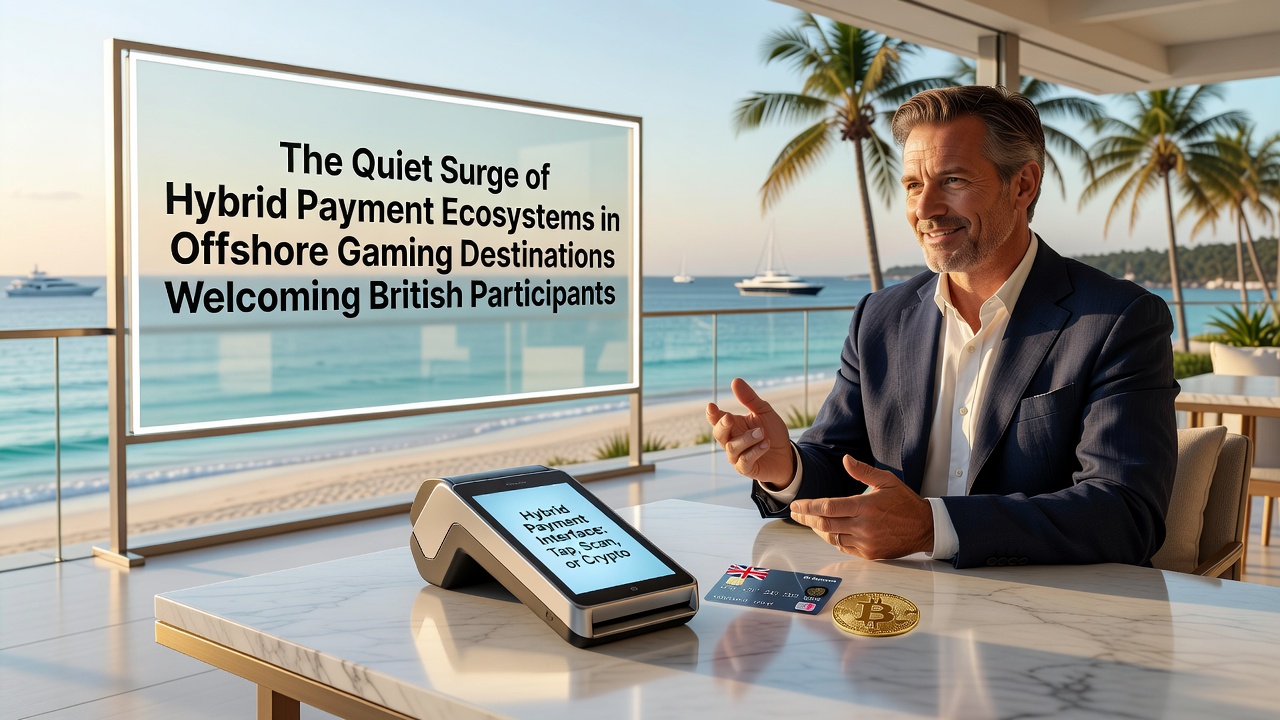
Emerging Blends of Payment Methods in Distant Gaming Centers Attracting UK Participants
Payment systems in offshore gaming locations continue to combine traditional banking channels with digital alternatives, creating hybrid ecosystems that accommodate British participants seeking access beyond domestic restrictions. Observers note these blends often incorporate elements such as e-wallets alongside cryptocurrency options and bank transfers, allowing flexibility in transactions while navigating varying international regulations.
Data from industry reports indicate growth in these combined systems throughout 2025 and into June 2026, with platforms in regions like the Caribbean and parts of Europe adopting multi-method approaches. Researchers at the University of Nevada's International Gaming Institute have documented how such integrations support smoother operations for users from restricted markets, though exact figures vary by jurisdiction.
Key Components Driving Hybrid Systems
Hybrid payment setups typically merge several transaction types into single platforms, where users can switch between methods without separate accounts. This includes direct bank links paired with instant digital options, and platforms often integrate tools from providers in multiple countries. Those who've examined these networks point to efficiency gains, since one interface handles deposits and withdrawals across currencies common among UK players.
Studies from the Canadian Gaming Association highlight similar patterns in licensed offshore sites, where payment hybrids reduce processing delays compared to single-method systems. In practice, a user might initiate a transfer via traditional wire while completing verification through a blockchain ledger, all within the same session. Such combinations appear in destinations including Anjouan and Comoros, where operators have expanded options to meet demand from European visitors.
Regional Examples and Market Shifts
Offshore sites in Kahnawake have incorporated hybrid features that blend local licensing requirements with global payment gateways, according to records from the Kahnawake Gaming Commission. British participants often encounter these through platforms offering both fiat and digital paths, which helps maintain continuity during periods of regulatory adjustment. Data shows increased adoption rates in these areas by mid-2026, driven by user preferences for choice rather than reliance on one channel.
One case study from European trade analyses reveals how Caribbean gateways adjusted their ecosystems after 2024 policy changes elsewhere, adding layers like prepaid cards alongside crypto rails. This approach allows seamless movement between methods, and figures from the Australian Communications and Media Authority suggest parallel developments in Asia-Pacific gaming hubs serving similar international audiences. Platforms there report higher transaction volumes when hybrids are available, particularly for cross-border players.
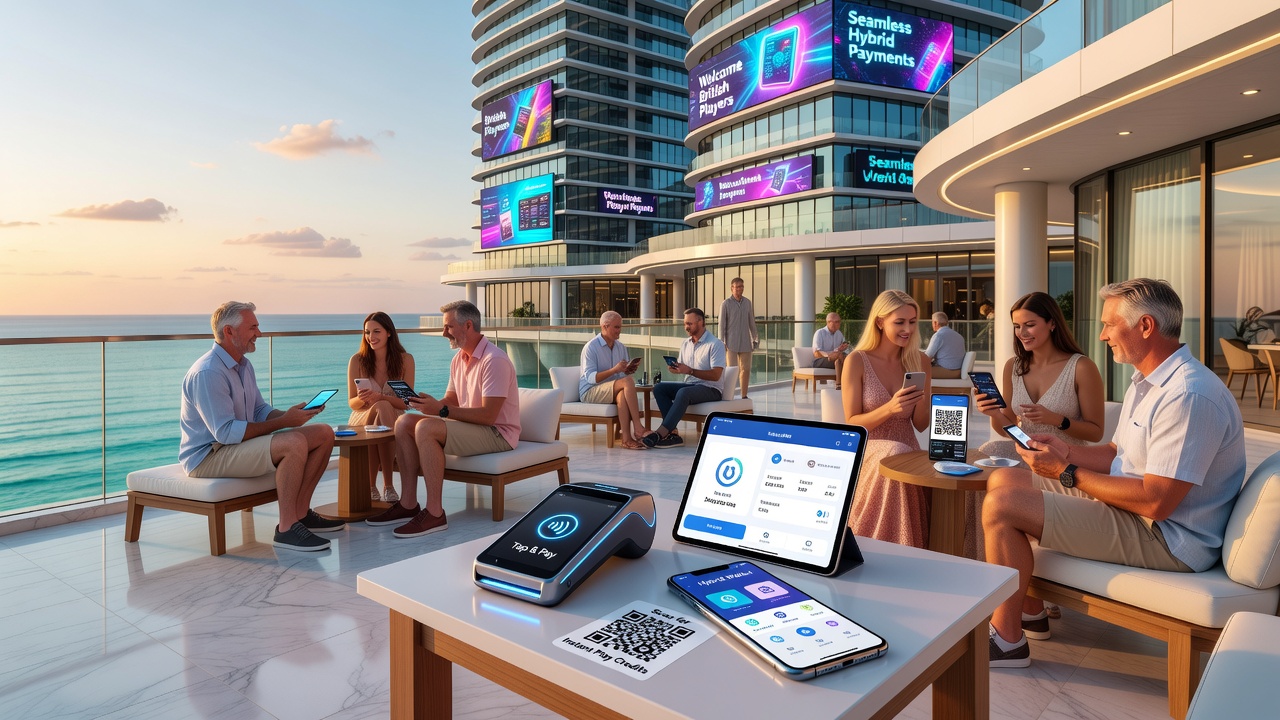
Technical Integration and User Pathways
Developers build these ecosystems around APIs that connect disparate financial services, enabling real-time reconciliation between traditional banks and emerging ledgers. Experts observe that security protocols often layer across methods, using encryption standards from both legacy and modern providers to protect data flows. British users benefit from this when accessing sites that support instant conversions, though compliance checks remain tied to the platform's base license.
Reports from the European Gaming and Betting Association note that by June 2026, several operators had rolled out updates allowing hybrid selections at the point of transaction, reducing the need for external exchanges. This setup proves useful in high-volume scenarios, where players alternate between methods based on fees or speed. Research indicates lower abandonment rates for deposits when such options exist, as the system adapts to individual preferences without forcing a single route.
Future Trajectories in Payment Ecosystems
Market projections through late 2026 point toward further layering of payment hybrids, with potential additions like stablecoin integrations alongside established channels. Observers tracking these shifts reference ongoing collaborations between tech firms and gaming regulators in non-UK territories, which facilitate broader acceptance of mixed systems. Data from academic sources at institutions in Singapore underscore how regional policies influence the pace of adoption, creating varied landscapes for international participants.
Those monitoring transaction patterns find that hybrids maintain appeal by balancing speed with traceability requirements, especially where multiple currencies converge. Platforms continue refining these blends to align with evolving global standards, and evidence from trade databases shows steady expansion in user engagement metrics across affected destinations.
Conclusion
Hybrid payment ecosystems in offshore gaming destinations reflect ongoing adaptations to user needs and regulatory environments, with British participants engaging through increasingly interconnected options. Information compiled from regulatory bodies and research entities demonstrates measurable uptake in these combined systems as of June 2026, underscoring their role in facilitating access across borders. Continued documentation from diverse geographic sources will likely track further refinements in these networks.