Currency Tools Bridge Gaps for UK Users Seeking Remote License Options
Written by Jonas Foster · Jun 28, 2026
Currency Tools Bridge Gaps for UK Users Seeking Remote License Options
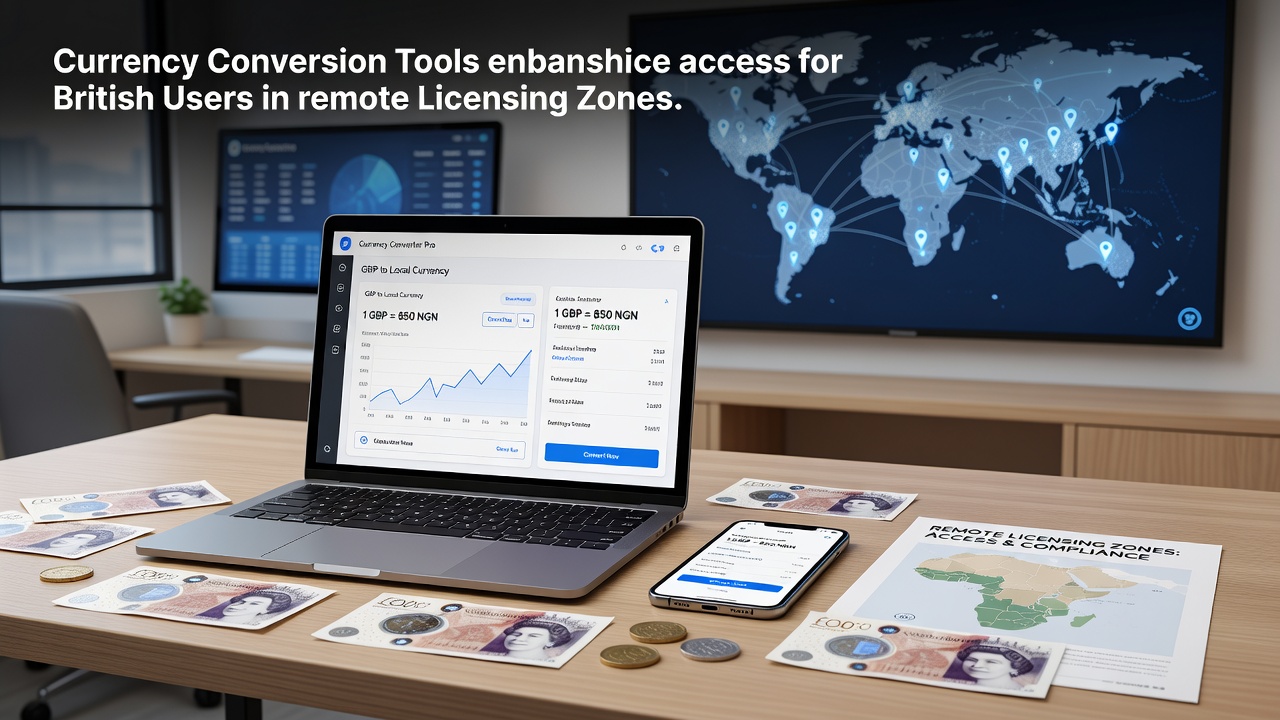
Modern currency conversion systems now allow British residents smoother entry into platforms operating under licenses from distant jurisdictions, and these tools handle real-time exchange rates alongside compliance checks that align with various international standards. Data from industry reports shows rising adoption rates among users who navigate multi-currency requirements when dealing with operators based in regions such as the Caribbean or Southeast Asia, while integration of API-driven services reduces friction during deposits and withdrawals.
Expansion of Remote Licensing Frameworks
Remote licensing zones have grown steadily since the early 2020s, with jurisdictions like Anjouan and Kahnawake issuing permits that attract operators targeting international audiences, and British users encounter these sites through search channels that highlight flexible payment structures. Figures from global fintech analyses indicate that transaction volumes involving GBP conversions increased notably in 2025, driven by platforms that embed automated tools to manage volatility in exchange markets, and such systems often link directly to banking networks in the UK for seamless fund transfers.
Observers note that these zones operate outside standard domestic oversight, which creates demand for conversion solutions capable of handling multiple fiat currencies without manual intervention, yet the tools themselves incorporate safeguards like rate locking and fraud detection protocols. Research from academic studies on digital finance highlights how these mechanisms support compliance with anti-money laundering rules across borders, and users benefit from interfaces that display converted amounts instantly before confirmation.
Technological Features Driving Accessibility
Conversion platforms now feature layered APIs that connect to live market data feeds, enabling precise calculations for GBP to USD or EUR trades within seconds, and developers have integrated machine learning models to predict short-term fluctuations based on historical patterns. British participants frequently utilize mobile applications tied to these services, where biometric authentication pairs with conversion engines to authorize transactions that comply with both UK banking rules and the requirements of offshore licenses.

One case study from a 2025 European research consortium revealed that participants using advanced conversion apps completed cross-border payments 40 percent faster than those relying on traditional bank services, and similar efficiencies appear in data collected from Asian regulatory bodies monitoring digital payment trends. These tools also support cryptocurrency bridges in some instances, allowing conversion between stablecoins and local currencies while maintaining audit trails required by licensing authorities.
Patterns Observed in June 2026
Records compiled through June 2026 show continued refinement of these conversion systems, with updates focused on reducing latency during peak trading hours and expanding support for emerging currencies from African and Pacific licensing areas. Industry organizations tracking payment innovations report that British user engagement with remote platforms rose as conversion accuracy improved, and partnerships between fintech firms and license holders facilitated standardized protocols for fee transparency.
What's interesting is how these developments intersect with broader global shifts toward digital wallets, where conversion occurs within unified ecosystems rather than separate banking steps, and evidence from Canadian government economic reviews supports the role of such integrations in lowering overall costs for international users.
Broader Implications for User Engagement
Access expands when conversion tools incorporate geolocation features that verify user location while processing transactions, ensuring alignment with the specific rules of each remote license, and this setup allows operators to serve UK audiences without direct conflicts over payment processing. Studies from university-led projects on international finance indicate that reliability of these tools correlates with higher retention rates among participants who manage funds across multiple time zones.
Yet challenges persist around regulatory harmonization, since different jurisdictions impose varying disclosure standards on exchange fees, and users must navigate these through clear summaries provided by the conversion interfaces themselves. Data shows that platforms emphasizing educational resources on currency risks see greater adoption from British demographics seeking options beyond domestic markets.
Conclusion
Currency conversion innovations continue to reshape pathways for British users interacting with remote licensing zones by streamlining exchanges and embedding compliance layers directly into user workflows. Ongoing advancements tracked through mid-2026 point toward even tighter integration with global banking systems, which supports sustained access while addressing technical and regulatory variables across diverse jurisdictions.