Cross-Border Alliances Reshape Progressive Jackpot Participation for UK Players in International Gaming Networks
Written by Zara Hartmann · Jun 10, 2026
Cross-Border Alliances Reshape Progressive Jackpot Participation for UK Players in International Gaming Networks
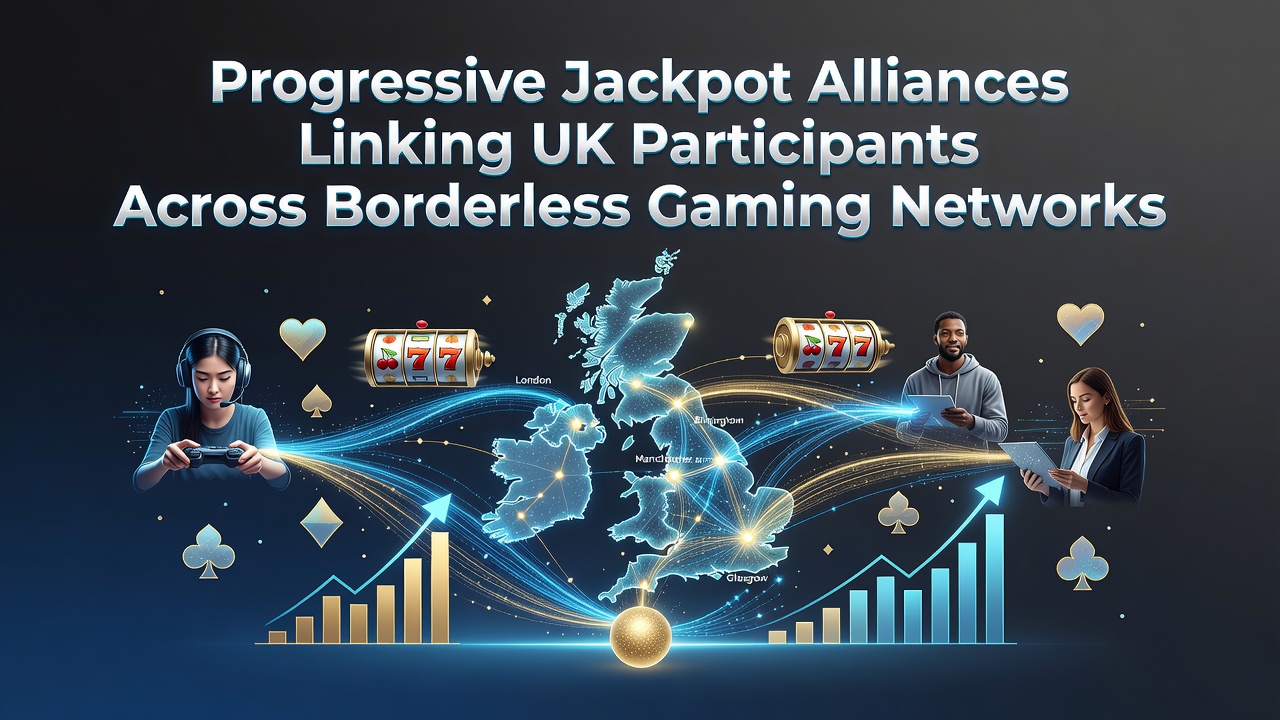
Progressive jackpot alliances have expanded significantly in recent years, creating pooled prize structures that connect participants from various jurisdictions through shared network systems, and data from industry reports shows these arrangements allow larger jackpot accumulations by combining contributions across different operators and geographic areas.
Operators participate in these alliances by linking their slot machines and table games to centralized systems that track every bet placed, with each wager adding a small percentage to the growing prize pool, and this mechanism operates continuously across time zones because the networks run on servers distributed worldwide.
Mechanics Behind International Jackpot Pools
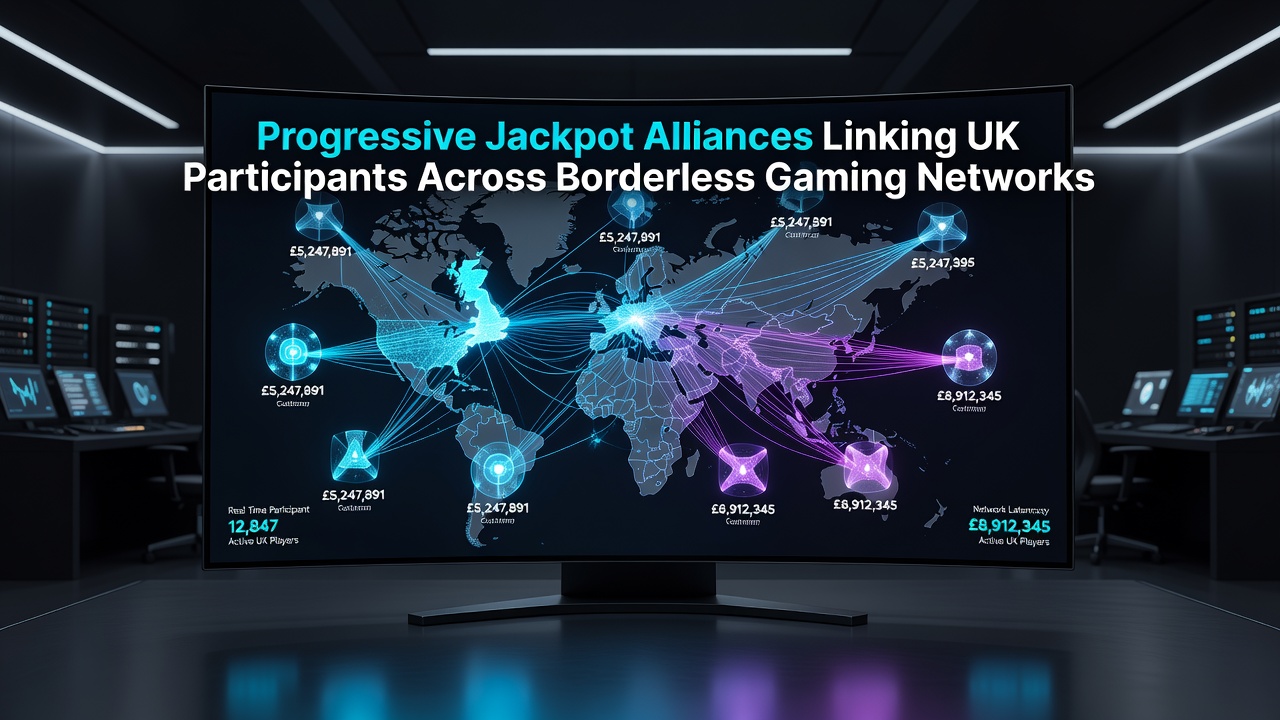
Borderless gaming networks function through software agreements that synchronize jackpot meters in real time, so when a player in one region contributes to the pool, the increase registers instantly for everyone connected, and this synchronization relies on secure data feeds maintained by third-party providers who specialize in jackpot management.
UK participants gain access to these pools when platforms integrate with the alliances, even if the underlying operators hold licenses from jurisdictions outside the United Kingdom, while the technical infrastructure ensures that eligibility rules and payout triggers remain consistent regardless of where the winning spin occurs.
Network Expansion Patterns Observed in 2026
By June 2026 several alliances had added new member operators in Europe and North America, increasing the number of connected games by approximately 15 percent compared with the previous year, and figures released by the European Gaming and Betting Association indicate that total progressive contributions across linked systems exceeded previous benchmarks during the first half of the year.
These additions often involve operators licensed in Malta, Gibraltar, and the Isle of Man that already serve UK audiences, yet the alliances extend further to include platforms based in the Caribbean and parts of Asia, creating truly multinational prize structures that accumulate faster because more players feed into the same meter.
One documented case involved a major alliance incorporating a Canadian operator in early 2026, which immediately boosted the average daily contribution rate and produced several multi-million-pound payouts within subsequent months, demonstrating how geographic diversity accelerates pool growth.
Regulatory Considerations Across Jurisdictions
Different regulatory bodies apply varying oversight to these alliances, with authorities in the European Union focusing on consumer protection standards and payout verification procedures, whereas regulators in Australia emphasize responsible gambling messaging within the connected games themselves.
Research published by the University of Nevada's International Gaming Institute highlights that cross-border jackpot systems require robust age-verification protocols at each participating operator to maintain compliance, and the study notes that technical audits conducted quarterly help ensure no single jurisdiction's rules are bypassed through network routing.
UK players remain subject to the self-exclusion tools and deposit limits they have activated on individual platforms, even when those platforms feed into international progressive pools, because the alliances themselves do not override local account settings or responsible gambling features.
Player Participation Trends and Prize Distribution
Statistics compiled by industry analysts reveal that UK-based accounts represent a measurable share of total wagers placed on alliance-linked progressives, particularly during evening hours when European traffic peaks, and this consistent contribution pattern helps sustain the steady climb of jackpot meters.
Payouts occur when specific symbol combinations appear on any connected game worldwide, triggering an immediate verification process that confirms the winning bet before funds transfer to the recipient's account, and observers have noted that larger alliances tend to produce more frequent but smaller secondary prizes alongside the main jackpot.
According to data shared by the Canadian Gaming Association, alliances that include operators from multiple continents show higher variance in win frequency compared with single-region networks, because the increased player volume raises both the contribution rate and the number of attempts to trigger the win condition.
Technical Infrastructure Supporting Seamless Connectivity
Secure application programming interfaces form the backbone of these networks, allowing different casino management systems to communicate jackpot values without exposing sensitive player data, and encryption standards meet or exceed requirements set by the various licensing authorities involved.
Redundant server locations ensure that temporary outages in one region do not interrupt the overall pool tracking, so UK participants continue to see updated jackpot amounts even if a data center in another country experiences maintenance, and this resilience has become a standard feature promoted by alliance administrators.
Conclusion
Progressive jackpot alliances continue to evolve through expanded operator memberships and refined technical standards that support participation from UK players alongside those from other regions, and the structures in place as of June 2026 demonstrate how pooled contributions across borderless networks create larger prize opportunities while operating under the distinct regulatory frameworks of multiple jurisdictions.