Charting AI-Driven Personalization in Live Dealer Rooms at Offshore Venues Welcoming UK Traffic
Written by Jonas Foster · May 31, 2026
Charting AI-Driven Personalization in Live Dealer Rooms at Offshore Venues Welcoming UK Traffic
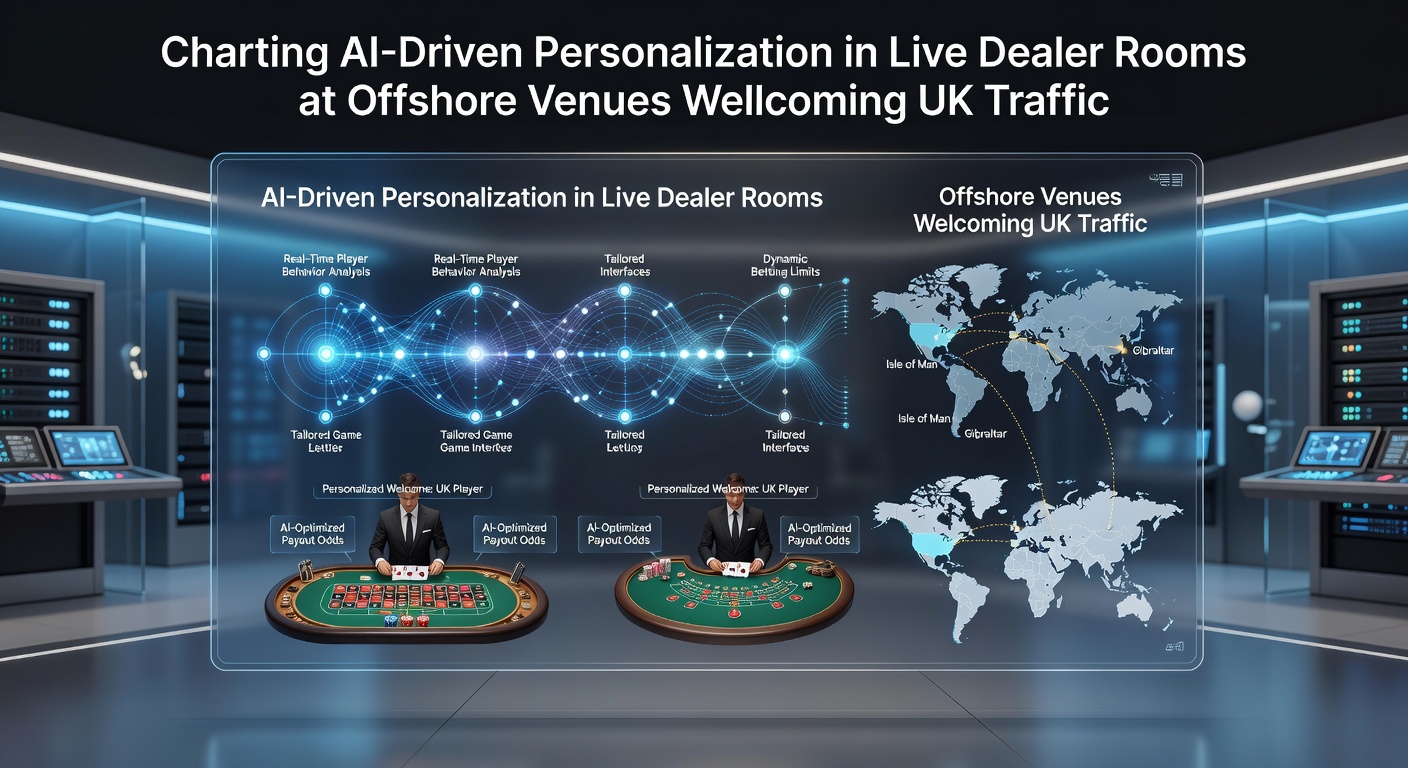
Offshore venues that accept traffic from the UK have integrated artificial intelligence into live dealer rooms to tailor experiences based on individual patterns, and this shift gained momentum through 2025 into May 2026 as platforms refined their systems for real-time adjustments. Data from industry reports shows that machine learning algorithms now process betting history, session duration, and interaction styles to suggest table limits, dealer pairings, and game variants that align with observed preferences while maintaining regulatory compliance in their licensed jurisdictions.
How Algorithms Shape Table Interactions
Live dealer environments rely on computer vision and natural language processing to monitor player engagement during blackjack, roulette, and baccarat sessions, according to findings from the International Gaming Institute at the University of Nevada. These tools identify when participants favor certain bet spreads or respond positively to specific dealer commentary, then adjust elements such as camera angles, chat prompts, and side bet availability without interrupting the flow of play. Observers note that such personalization occurs through backend systems that update within seconds, drawing on aggregated anonymized data sets rather than direct user input.
Platforms operating beyond standard self-exclusion frameworks have deployed these features to retain engagement among users who cross multiple time zones, and researchers at the Australian Institute of Family Studies documented similar patterns in cross-border gaming networks during early 2026 reviews. The systems flag moments when a player might benefit from switching to a lower-stakes table or receiving a customized bonus trigger, all while keeping the human dealer central to the experience.
Regional Licensing and Technical Implementation
Jurisdictions such as those in the Caribbean and parts of Eastern Europe issue licenses that permit advanced data analytics, and companies holding these approvals have partnered with AI developers to embed personalization layers into existing streaming infrastructure. A report released by the Canadian Gaming Association in April 2026 highlighted how offshore operators route UK-originating connections through servers optimized for low latency, allowing algorithms to deliver region-specific language options and culturally attuned game variants without compromising the live element.

Engineers achieve this by layering predictive models over standard RNG backups, ensuring that even when human dealers rotate, the surrounding digital environment adapts. Those who have examined the codebases involved describe decision trees that weigh factors including previous deposit frequency and average session length to surface relevant promotions during natural pauses in gameplay.
Data Handling Practices Across Networks
Privacy protocols vary by license holder, yet most employ federated learning techniques that keep raw player data localized while sharing only model updates across sites, according to documentation shared by the European Gaming and Betting Association. This approach supports consistent personalization for users accessing multiple venues while reducing the volume of information transferred during cross-border sessions. Figures from a 2025 industry survey indicated that operators adopting these methods recorded measurable increases in repeat visits among audiences located outside primary regulatory zones.
Encryption standards and audit trails remain mandatory under the terms of most offshore licenses, and independent testing labs verify that AI recommendations do not influence game outcomes. The focus stays on interface and pacing adjustments that respond to detected habits rather than altering core probabilities.
Future Trajectories Through Mid-2026
Developments projected for the remainder of 2026 include tighter integration between voice recognition and dealer scripts, allowing tables to respond to spoken preferences in multiple languages. Academic papers presented at gaming technology conferences have outlined potential expansions into biometric feedback loops, though current deployments remain limited to behavioral signals captured through standard interfaces. Networks serving UK traffic continue to refine these tools in line with evolving technical capabilities and licensing requirements in their host regions.
Conclusion
AI personalization in offshore live dealer rooms has evolved into a standard operational layer rather than an experimental add-on, with systems now capable of delivering context-aware adjustments at scale. Continued monitoring by licensing bodies and research organizations will determine how these technologies balance player engagement with responsible gaming safeguards across international networks.