Artificial Intelligence Reshapes Bonus Offerings and Game Suggestions Across Platforms Operating Beyond UK Self-Exclusion Systems
Written by Paul Müller · Jun 21, 2026
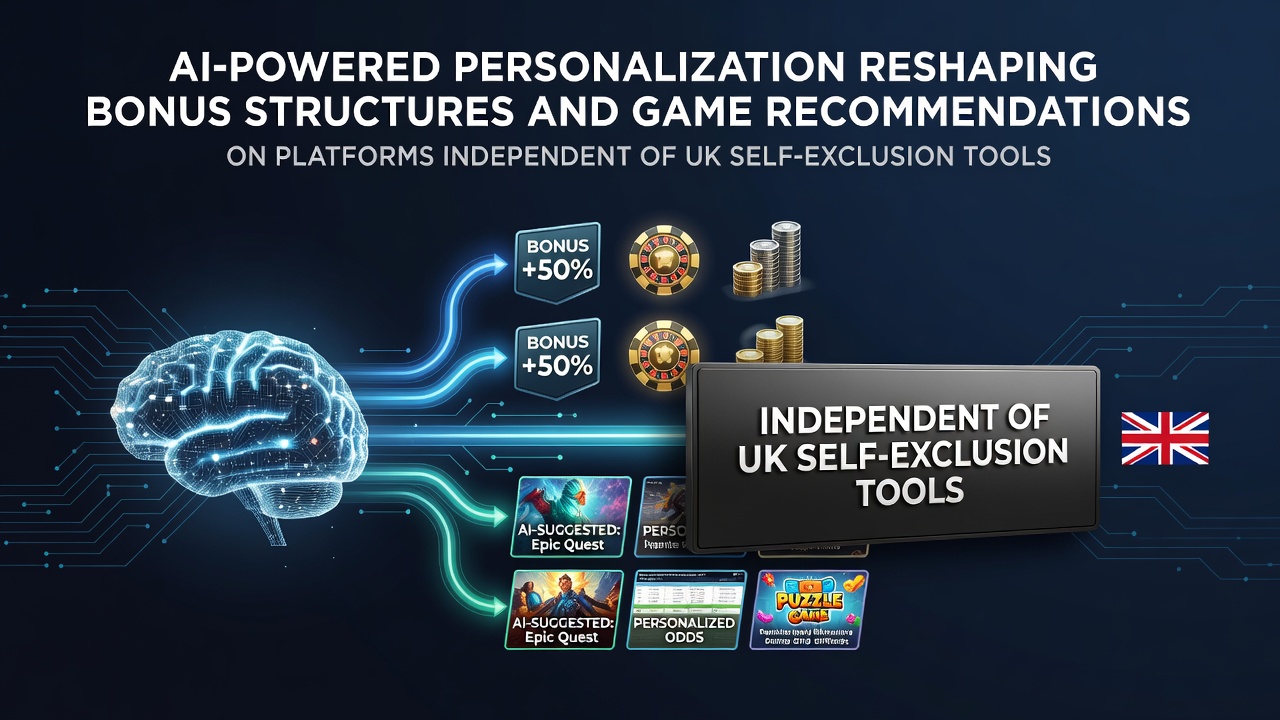
Artificial Intelligence Reshapes Bonus Offerings and Game Suggestions Across Platforms Operating Beyond UK Self-Exclusion Systems
Data from industry reports shows artificial intelligence systems now drive much of the personalization seen in bonus structures and game recommendations on platforms that operate independently of UK self-exclusion tools, and these platforms have integrated machine learning models to process player behavior patterns in real time since at least 2024.
According to a study published by the University of Nevada's International Gaming Institute in early 2025, algorithms examine variables such as session duration, preferred game types, and deposit frequencies to adjust promotional offers dynamically, while operators report that this approach allows for more precise matching of incentives to individual activity levels without manual intervention.
Core Mechanisms Behind AI-Driven Adjustments
Machine learning frameworks collect anonymized datasets encompassing wager sizes and game selections, then apply clustering techniques to group users into segments that receive tailored bonus multipliers or free spin allocations, and researchers at the institute noted that predictive models often forecast future engagement based on historical trends observed across thousands of accounts.
Platforms implement reinforcement learning loops that refine recommendations after each interaction, so bonus expiry dates or cashback percentages shift automatically when systems detect changes in play frequency, while external audits from firms like iTech Labs confirm these processes comply with licensing requirements in jurisdictions such as Anjouan and Curaçao.
Effects on Bonus Structures
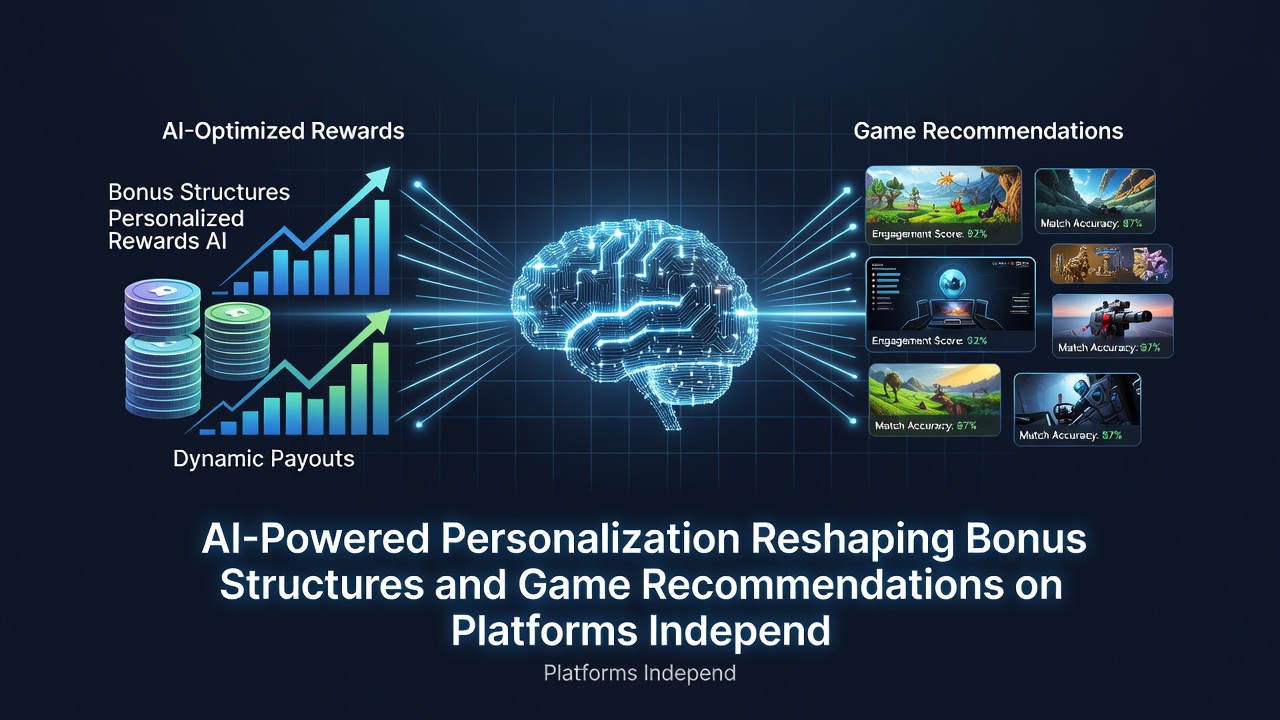
Traditional fixed bonus schemes have given way to variable models where AI calculates eligibility in seconds, and figures from the 2025 Global Online Gaming Technology Report indicate that personalized deposit matches now account for over 60 percent of promotional spend on independent platforms, compared with uniform offers distributed broadly in prior years.
One documented implementation involves neural networks that evaluate risk profiles to determine wager requirements, allowing lower thresholds for users showing consistent activity while maintaining higher standards for others, and this segmentation draws from data streams updated continuously throughout each month.
Game Recommendation Systems in Practice
Recommendation engines use collaborative filtering alongside content-based analysis to suggest titles that align with past selections, and reports compiled by the Canadian Gaming Association highlight how these tools have increased average session lengths by presenting slot variants or table games that match demonstrated preferences within the first few minutes of login.
Platforms integrate these engines with live data feeds, enabling suggestions that update after each round or spin, whereas earlier static lists required users to browse extensive libraries manually, and June 2026 projections from the association forecast further integration with virtual reality interfaces that could expand recommendation accuracy through additional sensory inputs.
Operators in regions including Australia and parts of the European Union have adopted similar frameworks under local oversight bodies, resulting in cross-platform comparisons that show reduced bounce rates when AI suggestions replace generic carousels.
Integration Challenges and Technical Standards
Ensuring data privacy remains central as platforms handle information from users who select independent services, and compliance frameworks from bodies like the Malta Gaming Authority require encryption protocols and consent mechanisms that AI systems must respect during personalization cycles.
Technical teams employ edge computing to process recommendations closer to the user device, which reduces latency and supports real-time adjustments even during peak traffic periods, while case examples from platform operators reveal that hybrid models combining on-site servers with cloud analytics deliver the most consistent performance.
Conclusion
Artificial intelligence continues to influence how bonuses and game suggestions function on platforms independent of UK self-exclusion tools, with ongoing developments tracked through reports from academic institutions and industry associations worldwide, and these systems demonstrate measurable impacts on engagement metrics as documented in multiple regulatory reviews.